|
jpcharleaux@braziloffice.org͏ ͏ ͏ ͏ ͏ ͏ ͏ ͏ ͏ ͏ ͏ ͏ ͏ ͏ ͏ ͏ ͏ ͏ ͏ ͏ ͏ ͏ ͏ ͏ ͏ ͏ ͏ ͏ ͏ ͏ ͏ ͏ ͏ ͏ ͏ ͏ ͏ ͏ ͏ ͏ ͏ ͏ ͏ ͏ ͏ ͏ ͏ ͏ ͏ ͏ ͏ ͏ ͏ ͏ ͏ ͏ ͏ ͏ ͏ ͏ ͏ ͏ ͏ ͏ ͏ ͏ ͏ ͏ ͏ ͏ ͏ ͏ ͏ ͏ ͏ ͏ ͏ ͏ ͏ ͏ ͏ ͏ ͏ ͏ ͏ ͏ ͏ ͏ ͏ ͏ ͏ ͏ ͏ ͏ ͏ ͏ ͏ ͏ ͏ ͏ ͏ ͏ ͏ ͏ ͏ ͏ ͏ ͏ ͏ ͏ ͏ ͏ ͏ ͏ ͏ ͏ ͏ ͏ ͏ ͏ ͏ ͏ ͏ ͏ ͏ ͏ ͏ ͏ ͏ ͏ ͏ ͏ ͏ ͏ ͏ ͏ ͏ ͏ ͏ ͏ ͏ ͏ ͏ ͏ ͏ ͏ ͏ ͏ ͏ ͏ ͏ ͏ ͏ ͏ ͏ ͏ ͏ ͏ ͏ ͏ ͏ ͏ ͏ ͏ ͏ ͏ ͏ ͏ ͏ ͏ ͏ ͏ ͏ ͏ ͏ ͏ ͏ ͏ ͏ ͏ ͏ ͏ ͏ ͏ ͏ ͏ ͏ ͏ ͏ ͏ ͏ ͏ ͏ ͏ ͏ ͏ ͏ ͏ ͏ ͏ ͏ ͏ ͏ ͏ ͏ ͏ ͏ ͏ ͏ ͏ ͏ ͏ ͏ ͏ ͏ ͏ ͏ ͏ ͏ ͏ ͏ ͏ ͏ ͏ ͏ ͏ ͏ ͏ ͏ ͏ ͏ ͏ ͏ ͏ ͏ ͏ ͏ ͏ ͏ ͏ ͏ ͏ ͏ ͏ ͏ ͏ ͏ ͏ ͏ ͏ ͏ ͏ ͏ ͏ ͏
EditorialThe U.S.-Brazil relationship, which began officially two hundred years ago, has been fraught from its inception. Fueled by the ideals of its own revolution, the United States viewed itself as a beacon of democratic principles beset by powerful European discontents. The apparent contradictions of Brazil’s position—an independent nation with deep ties to the Portuguese Crown—created suspicion in the United States, raising concerns about Brazil’s commitment to hemispheric sovereignty. The promulgation of the Brazilian constitution in 1824 offered a modicum of common ground between the United States and Brazil, helping to create space for a political rapprochement that culminated in formal recognition. The relationship thereafter was proper but distant. Indeed, while friendship and commonality have been the usual bywords of leaders in both nations, suspicion and ambivalence have been ever present. While cooperation has emerged on certain issues, historical baggage continues to influence U.S.-Brazil interactions. The U.S. image of a self-made republic born of an enlightened revolution stands in contrast to Brazil’s more gradual and negotiated independence. This difference in national narratives has, at times, hampered the cultural intelligibility of either side and hindered the development of a truly collaborative partnership. Doubts in Washington about Brazil’s political, economic, and ideological orientation have reemerged periodically over two hundred years. Doubts in Brazil about the willingness of the United States to treat Brazil as an equal despite occasional differences have never dissipated. Indeed, the period discussed in this essay marked but the beginning of a complex and mercurial relationship between the U.S. and Brazil, one essentially defined by the persistence of irreconcilable interests and self-conceptions. If anything, the surprise is that both countries are as close as they are today. In the shifting context of global affairs, Brazil’s frequent insistence on independent activity on the world stage has often been cast as either naïve or dastardly. The world has changed dramatically since he first took office twenty years ago, but President Luiz Inácio Lula da Silva remains committed to securing a prominent place for Brazil on the world stage. His return has revived what might be called Brazil’s independent buy-in to the international system, that is, an eagerness to engage other countries on the most pressing issues of the day but from a distinctly Brazilian position of strategic neutrality. To demonstrate that buy-in, Lula in his third term has traveled extensively, meeting with more heads of state in five months than former president Jair Bolsonaro did in four years. Indeed, Lula was even criticized for spending so much time abroad in his first year. But these were not mere goodwill expeditions. Their purpose was to restore Brazil’s presence in major international fora and as a player in debates shaping the future of global governance. To embrace multipolarity, as Lula has done in each of his administrations, is to distrust that U.S. hegemony serves Brazilian interests more often than not. Contrary to what some observers seem to believe, Lula and his advisors know that Chinese and Russian leaders do bad things. But they’re especially attuned, even if good diplomatic form keeps them from saying so explicitly, to what they see as U.S. hypocrisy. They recall NSA spying on former president Dilma Rousseff and believe firmly that the U.S. Justice Department helped legitimize Lula’s 2018 arrest. On top of these more recent traumas, of course, is the memory of U.S. involvement in the 1964 coup and support for the dictatorship that followed. Lula does not intend to sour relations with Russia or China based on Washington’s complaints. Instead, Lula, like several Brazilian leaders before him, will pursue Brazilian interests on a case-by-case basis independently of what the U.S. position is on a given matter. On environmental and labor issues, the Brazilian government is in line with the Biden administration. On the other major geopolitical issues of the day, however, the terrain is bumpier. When it comes to repairing historical mistrust as both nations celebrate two hundred years of formal relations, the United States could take the simple step of declassifying all remaining records related to the 1964 dictatorship. Washington can and should provide a full account of the documents that remain unavailable to researchers and divulge them. An official apology for supporting the coup and helping sustain the military dictatorship that followed would also demonstrate that the United States is serious about charting a new course in its relationship with Brazil, one rooted in an abiding respect for democracy—even when its fruits displease Washington. The bicentennial anniversary of U.S. recognition of Brazilian independence offers a prime opportunity for a positive grand gesture of this sort.
|
ArticleBrazil and the United States: Two Hundred Years of a Vigorous, Dynamic, and Multifaceted Partnership By Maria Luiza Ribeiro Viotti - Ambassador of Brazil to the United States Two hundred years of diplomatic relations is a remarkable milestone. This is a story not just of two countries, but of a partnership that has endured and evolved alongside the very history of the Western Hemisphere and the world. Less than two years into our life as an independent nation, the United States became one of the first countries to formally welcome Brazil to the world stage. This early act of friendship set the tone for a relationship that would weather many storms. Over the years, our ties grew, trade flourished and cultural exchanges blossomed. Today, the two countries have a dynamic and diverse agenda, based on shared values and common interests. Democracy, human rights, the promotion of sustainable development, and the fight against climate change are front and center in our work. We seek to strengthen our cooperation in multiple areas, ranging from trade and investment to energy, health, science, technology, security and defense, education, and culture. The United States continues to be Brazil's most important trading partner in services, and second in goods, as well as the main origin of foreign direct investment in Brazil. Since last year, there have been important announcements of new US investment projects in Brazil. The United States is also becoming an important destination for investments by Brazilian companies, which have already reached US$43 billion, creating wealth and jobs in this country. Brazil is increasingly seen as a country that holds the potential to help meet some of our century's biggest challenges: producing food, generating clean energy, supplying critical minerals and fighting climate change. The launch of the Workers' Rights Partnership by Presidents Luiz Inácio Lula da Silva and Joe Biden in September 2023 showed our joint commitment to fair and sustainable economic development. It reaffirmed our desire to work together to fight exploitation, promote decent work, combat the increasing precariousness of working conditions, and address the challenges posed to the labor force in the digital era. Read the full article on the WBO website
|
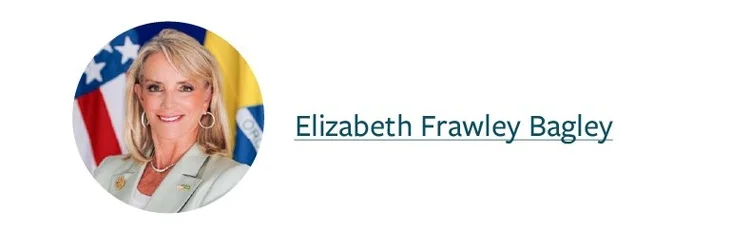
Article200 Years of U.S.-Brazil Partnership By Elizabeth Frawley Bagley, United States Ambassador to Brazil Since my arrival in Brazil last year, I have been struck by the deep ties that bind our countries. So when I learned that May 26, 2024, would mark the 200th anniversary of our diplomatic relations, I wanted it to be a year to remember. Our motto this year is “two great friends, one brilliant future.” We are celebrating our shared tradition of democracy, self-determination, and commitment to human rights. Presidents Lula and Biden’s launch of the Partnership for Worker’s Rights will improve working conditions, while the United States’ huge investments in Brazil—more than R$1 trillion—allow us both to prosper. The U.S.-Brazil relationship has already created more than 520,000 jobs in Brazil. We are charting new paths for clean energy and supply chains, to address the climate crisis while ensuring future opportunity. And we are committed to supporting Brazil’s efforts to end deforestation by 2030, including through the United States Agency for International Development's $300 million investment in Amazon conservation. The U.S. Embassy and Consulates are celebrating through events and programs that change lives. In January, we sent 46 public school students as Youth Ambassadors to the United States, building connections between our people. We have held scores of engagements with Brazilian leaders, entrepreneurs, scientists, and civil society. In February, U.S. Secretary of State Antony Blinken joined the G20 foreign ministers’ meeting in Rio de Janeiro. This month, we are celebrating at Brazil Week in New York and with the arrival of the USS George Washington aircraft carrier in Rio. To commemorate these 200 years of partnership, the Brazilian Congress is conducting its first U.S.-focused Solemn Session, while Itamaraty is holding a symposium to drive our joint efforts forward. Still to come, we will bring talented musicians to perform in Manaus, Brasilia, Sao Paulo and Rio de Janeiro, and cheer on Brazil’s first-ever NFL game. To close the year, we will honor the Month of African Consciousness by sponsoring a striking art exhibition that showcases the richness of our shared African heritage. Each event represents an opportunity to forge new connections and ideas and strengthens relations between our governments and people. Because at the heart of this bicentennial is a story about people. Read the full article on the WBO website
|
|
Feature articles express the opinions of the author and do not necessarily reflect the opinions of the editors or WBO.
|
|
|
|