
EXECUTiVE TEAM
Paulo Abrão
-
Paulo Abrão is Visiting Scholar at the Watson Institute for International and Public Affairs at Brown University and Senior Advisor at Article 19 for South America. He holds a PhD in Law from the Pontifical Catholic University of Rio de Janeiro and a Postgraduate Degree from the University of Chile. He is a Professor of Law in Brazil, Spain, Argentina and the United States. Most recently, he was Executive Secretary of the Inter-American Commission on Human Rights (IACHR) of the Organization of American States (OAS). Previously, he was Executive Secretary of the MERCOSUR Institute for Public Policies on Human Rights. In Brazil he held public functions as National Secretary of Justice; chairman of the Amnesty Commission; chairman of the National Committee for Refugees; chairman of the National Council to Combat Piracy and Crimes Against Intellectual Property and of the National Committee Against Trafficking in Persons. He is a lawyer at IHR LEGAL, a firm specializing in international human rights law advice and litigation, headquartered in Washington and Geneva.
Contact: paulo.abrao@braziloffice.org

João Paulo Charleaux
-
João Paulo Charleaux is a journalist. He started at Oboré, as an intern, editing radio programs for rural workers unions and the MST (Movimento Sem Terra). He was communication advisor for the ICRC (International Committee of the Red Cross) for Brazil, Argentina, Chile, Uruguay and Paraguay for seven years and communication coordinator for Conectas Human Rights for three years. He was assistant editor of Internacional at Estadão. He wrote for Folha, Globo and Piauí, as a collaborator, correspondent, and special envoy. He worked for seven years at Nexo Jornal, where he was editor, special reporter, and correspondent in Paris.
Contact: jpcharleaux@braziloffice.org

Ana Barreto
-
Ana Paula Barreto is the Transnational Birth Equity Director for the National Birth Equity Collaborative. She is a 2021 Soros Equality fellow and a senior fellow of the United Nations Fellowship Program for People of African descent. Ana is an activist and researcher on the intersections of race, gender, global health, and the arts. She has more than fifteen years of experience as a human rights professional, working in several counties in the Americas and Africa, doing innovative work on racial justice, political participation, and reproductive justice.

Iman Musa Jadallah
-
Iman Musa is the Public Affairs Specialist at the Washington Brazil Office. She graduated from Brown University in 2021 with a degree in Economics and History. Originally from Brasília, at Brown, she organized a series of political initiatives on Brazil, and in 2018, she participated in the founding of the U.S. Network for Democracy in Brazil. While at Brown she was also the Coordinator of the Opening the Archives Project, an initiative that has digitalized, indexed and made available on an open-access website over 45,000 U.S. government documents about U.S.-Brazilian relations during the military dictatorship (1964-85).
Contact: iman.musa@braziloffice.org

Camilo Rocha
-
Camilo Rocha is a Brazilian journalist based in São Paulo. He has covered culture, technology and the environment for leading local media outlets such as Folha de S. Paulo, Estado de S. Paulo, Valor Econômico and Nexo Jornal. Between 2021 and 2022 he reported on Brazil for CNN International. He is the executive producer and editor of the Brazil Unfiltered podcast.

Paulo Arantes
-
Paulo Lugon Arantes is a jurist and expert in international protection of human rights. He holds a bachelor's degree in Legal Sciences from the Federal University of Espírito Santo, UFES (1999); LL.M. in International and European Protection of Human Rights from the University of Utrecht (2003); and a Ph.D. with a focus on racial discrimination from Katholieke Universiteit Leuven (2019). He is the author of several academic articles on international human rights protection. He volunteered for the Reage Espírito Santo Forum (2001-2003); worked as a lawyer for the Center For Justice and International Law CEJIL (2004); monitored Brazil for Lawyers’ Rights Watch Canada (2005-2008); served as an advisor and coordinator of the Training Program for the Mission of Brazil in Geneva to the United Nations in Geneva (2009-2011); worked as a training officer for the Global Health Programme at the Graduate Institute (2011-2012); and represented the coalition CELS/Conectas/Humanas (Geneva Initiative) at the UN in Geneva (2013-2017). Currently, he is a professor, consultant, and expert with extensive work in the UN Human Rights Protection system.
Rafael Schincariol
-
Rafael holds a doctorate in Law and a post-doctorate in Political Science from the University of São Paulo (USP), he was a visiting researcher at the University of Oxford and the Institute for Social Research at the University of Frankfurt. He works at the intersection of democracy, human rights, and global governance, combining research, advocacy, and international political engagement. He has experience in international organizations, the public sector, and organized civil society, including stints at the Inter-American Commission on Human Rights (OAS) and the Vladimir Herzog Institute, where he led advocacy agendas and international cooperation initiatives. He was the executive secretary of the Special Commission on Political Deaths and Disappearances and a visiting professor at the Federal University of São Paulo (Unifesp). He participated in the preparation of reports, publications, and analyses on democracy, transitional justice, and human rights, contributing to the design of strategies aimed at strengthening the rule of law and democratic institutions.
Ana Carolina Lima
-
Ana Carolina Lima is a founding partner of the firm Romana & Lima Advogadas Associadas. She graduated in 2005 from the Centro Universitário Serra dos Órgãos and holds a specialization in "Critical Foundations: Human Rights as Processes of Struggle for Dignity" from the Universidad Pablo de Olavide in Spain. Additionally, she has an extension in Social Control and Citizenship from the Office of the Comptroller General (CGU) and is a postgraduate in Private Law and the General Data Protection Law (LGPD). She researches the Third Sector, Law, and Technology. Currently, Ana Carolina Lima is a counselor for the Sustainable Economic and Social Development Council of the Presidency of the Republic (Management Committee) and the co-executive director of the Aqualtune Lab. A native of Teresópolis/RJ, she began her professional career in the civil area, in which she still works today. Since 2007 in Rio de Janeiro, she has worked as a union lawyer (2007-2011). Between 2011 and 2015, she was the chief advisor of the State Superintendence for the Promotion of Racial Equality at the State Department of Social Assistance and Human Rights (SUPIR/SEASDH). Additionally, she was the Ombudswoman of the OAB/RJ, Secretary-General of the Data Protection and Privacy Commission of the OAB/RJ (2019-2021), and Coordinator of Data Protection and Human Rights of the same commission (2022-2024). Ana Carolina Lima is also a founding member of the Front of Black Jurists (FJUNN).
BOARD OF DIRECTORS
-
Alexander Main is Director of International Policy at the Center for Economic and Policy Research in Washington, DC. His areas of expertise include Latin American integration and regionalism, US security and counternarcotics policy in Central America, US development assistance to Haiti, and US relations with Bolivia, Brazil, Ecuador, Honduras and Venezuela. Prior to CEPR, Alex spent more than six years in South America working as a foreign policy analyst and an international cooperation consultant. He holds degrees in History and Political Science from the Sorbonne University in Paris, France.

-
Amy Chazkel is Associate Professor of History and holds the Bernard Hirschhorn chair of Urban Studies at Columbia University. A specialist in modern Brazil, her research and teaching focus on urban and legal history, the history of crime and policing and slavery and post-abolition societies. She is the author of Laws of Chance: Brazil’s Clandestine Lottery and the Making of Modern Public Life in Brazil (Duke University Press, 2011) and co-editor of The Rio de Janeiro Reader: History, Culture, Politics (Duke University Press, 2016). She is completing Rio de Janeiro and the Politics of Nightfall (forthcoming with Oxford University Press), a book about the history of the urban nighttime from the perspective of nineteenth-century Rio de Janeiro. She serves on the Radical History Review Editorial Collective. In addition to her published scholarship, she also co-directs the Columbia University Seminar on the Public Humanities and the working group, “Refugee Cities: Urban Dimensions of Forced Displacement,” sponsored by the Columbia Center for the Study of Social Difference, which launched in the fall of 2022.

-
Andrew Miller brings two decades of human rights activism and international field experience to his work as Amazon Watch's DC Advocacy Director. Since 2007, he has collaborated closely with indigenous partners from Brazil, Colombia, Ecuador, and Peru, facilitating rights-based advocacy at Washington DC institutions such as multilateral banks, U.S. executive offices, and the Inter-American Commission on Human Rights. He travels regularly to the Amazon region and offers frequent commentary to media such Al Jazeera English, CNN en Español, and the BBC World Service. Previously, he held several positions at Amnesty International USA and served as an "unarmed bodyguard" in Colombia with Peace Brigades International.
-
Erika Robb Larkins is Professor of Anthropology, Behner Stiefel Chair of Brazilian Studies, and Director of the Center for Brazilian Studies at California State University, San Diego (SDSU). She is the author of two books: The Spectacular Favela: Violence in Modern Brazil (University of California Press, 2015) and The Sensation of Security: Private Guards and Social Order in Brazil (Cornell University Press, 2023). She has also published widely on issues of race, gender, and politics in Brazil, with recent articles appearing in American Ethnologist, City and Society, and the Journal for Latin American and Caribbean Anthropology. Larkins is currently working on a new National Science Foundation-funded research project on the intersection of extreme heat, environmental racism, and inequality in Rio de Janeiro. She is also the President of the Brazilian Studies Association (BRASA).

-
Ben Cowan is Professor of History at the University of California, San Diego and a specialist in right-wing radicalism, morality and sexuality in Cold War Brazil, with a specialization in the cultural and gender history of the post-1964 era. His publications include: Securing Sex: Morality and Repression in the Making of Cold War Brazil (UNC, 2016) and Moral Majorities across the Americas: Brazil, the United States, and the Creation of the Religious Right (UNC, 2021) and articles in American Quarterly, The Journal of the History of Sexuality, The Hispanic American Historical Review, Radical History Review, and Latin American Research Review.
-
Tracy Devine Guzmán is Associate Professor of Latin American Studies in the Department of Modern Languages and Literatures at the University of Miami. Her research interests include intellectual history, social and political theory, and cultural production, especially as these fields intersect with questions of race/ethnicity and environmentalism. her first monograph, Native and National in Brazil: Indigeneity after Independence (University of North Carolina Press) received Honorable Mention for the LASA Brazil Section Book Prize (2014). She is currently working on a second book project, “Transcontinental Indigeneity: Linking the Americas and the Global South”.

-
Erik Sperling is the Executive Director of Just Foreign Policy. He has worked as Senior Adviser and Counsel in the offices of Congressman Ro Khanna and Congressman John Conyers. He has a J.D. from Georgetown University Law Center and a B.A. from the University of Wisconsin-Milwaukee.

-
Keisha-Khan Y. Perry is the Presidential Penn Compact Associate Professor of Africana Studies at the University of Pennsylvania. Her research focuses on race, gender and politics in the Americas, urban geography and questions of citizenship, Black women’s intellectual histories, and the interrelationship between scholarship, pedagogy and political engagement. Her first book, Black Women against the Land Grab: The Fight for Racial Justice in Brazil, won the 2014 National Women’s Studies Association Gloria Anzaldúa Book Prize and an updated and revised Portuguese translation was published in September 2022 by the Federal University of Bahia Press. The book includes an analysis of the relationship between environmental justice movements and land and housing rights struggles in Brazil. She published the edited volume Black Women in Latin America and the Caribbean: Critical Perspectives and Research with Melanie Medeiros (Rutgers University Press, 2023). She is currently working on two book projects: Evictions and Convictions: The Right to Home and life in the Americas, a comparative analysis of grassroots movements for the right to housing and life in Jamaica, the United States, and Brazil, and The Fire Inside: The Social Justice Imperative at the Heart of African Diaspora Studies that illustrates the challenges of activist research amidst racial and gender violence.

-
Gladys Mitchell-Walthour is Dan T. Blue Endowed Chair & Professor of Political Science at North Carolina Central University. She specializes in Afro-Brazilian political behavior, black racial identity, discrimination, affirmative action and Bolsa Familia. She served as president of the Brazil Studies Association (2018-2020) and is currently National Co-Coordinator of the US Network for Democracy in Brazil. She is the author of The Politics of Survival: Black Women Social Welfare Beneficiaries in Brazil and the USA (Columbia University Press, 2024) and The Politics of Blackness: Racial Identity and Political Behavior in Contemporary Brazil (Cambridge, 2018). She has published in numerous peer-reviewed journals, including Latin American Politics & Society; Politics, Groups, and Identities; and the National Political Science Review. She holds the PhD in Political Science from the University of Chicago, the Master of Public Policy from the University of Michigan-Ann Arbor, and a BA from Duke University.

-
Isabela Carvalho serves as the Senior Knowledge Lead at Ashoka, a global network of social entrepreneurs and intrapreneurs committed to catalyzing positive change worldwide. At the heart of Ashoka's mission is the vision of creating a world where everyone feels empowered to effect change to address our most pressing societal challenges. Isabela is passionate about developing initiatives to harness the extensive knowledge generated by social entrepreneurs and other changemakers, disseminating it to individuals and institutions, and promoting the role of social innovation to create more sustainable, responsible organizations, and influence public policy. Her extensive knowledge of the civil society ecosystem and the nonprofit sphere has led her to develop a keen understanding of advocacy strategies and to lead projects with systemic impact in Brazil and multiple countries in the Americas, Europe, and Africa.
Over the past 15 years, Isabela has also been involved in philanthropy, youth empowerment, corporate culture transformation, and international development. Her collaborative efforts include engagements with leading organizations like WINGS (Worldwide Initiative for Grantmaker Support), Yunus&Youth (a nonprofit championing social business among young entrepreneurs supported by Professor Muhammad Yunus), and the United Nations.
Isabela holds a Bachelor's degree in Journalism and a Master's degree in Communications and Development. Her professional journey has equipped her with robust multi-sector program management and stakeholder engagement skills. She divides her time between Rio de Janeiro, Brazil, and Washington, D.C., USA.


-
James N. Green is Professor of Brazilian History and Culture at Brown University, and former President of the Brazilian Studies Association (2002-04). He is the author or co-editor of eleven books on Brazil, including Beyond Carnival: Male Homosexuality in Twentieth-Century Brazil (Chicago, 2000); We Cannot Remain Silent: Opposition to the Brazilian Military Dictatorship in the United States (Duke, 2010); and Exile in Exiles: Herbert Daniel, Gay Brazilian Revolutionary (Duke 2018); and Brazil: Five Centuries of Change, 3rd ed., (Oxford, 2020). He is currently the National Co-Coordinator of the US Network for Democracy in Brazil.
-
Thayse Leal Lima has been with the Department of Spanish and Portuguese at the University of Maryland since 2015 and currently directs the Portuguese and Brazilian Studies Program. Her work focuses on Brazilian and Latin American literature, transnationalism, and intellectual history. Her 2021 book, Latino Americanizando o Brasil (Editora UFPR), explores how mid-20th-century Hispanic American and Brazilian intellectuals worked to integrate Brazil into a broader Latin American literary framework.
She co-edited the Lusophone Studies Journal special issue "Thinking World Literature from Lusophone Perspectives" and has published in journals such as the Journal of World Literature and Journal of Latin American Cultural Studies.
-
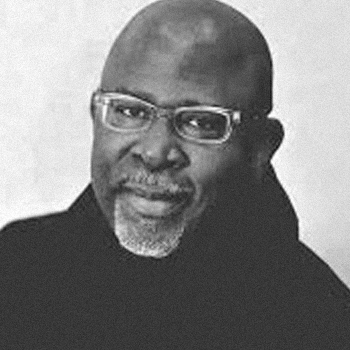
Kendall Thomas is the Nash Professor of Law at Columbia University Law School and the co-founder and director of the Center for the Study of Law and Culture, where he leads interdisciplinary projects and programs that explore how the law operates as one of the central ways to create meaning in society. A scholar of comparative constitutional law and human rights, his teaching and research focus on critical race theory, legal philosophy, feminist legal theory, and law and sexuality. His seminal writing on the intersection of race and law appears in Critical Race Theory: The Key Writings That Founded the Movement (1996), which he co-edited.

-
Sidney Chalhoub is David and Peggy Rockefeller Professor of History and of African and African American Studies at Harvard University. He is also affiliated with the Department of Romance Languages and Literatures. Before moving to Harvard, he taught at the University of Campinas (UNICAMP) for thirty years. His research and teaching focus mainly on the social history of Brazil in the nineteenth and early twentieth centuries, having written books on working-class culture, urban slavery, public health, and the literature and the political and social ideas of Machado de Assis.

-
Stanley A. Gacek is Senior Advisor for Global Strategies at the United Food and Commercial Workers International Union (UFCW). He was ILO Deputy and Interim Director for Brazil from 2011 to 2016. He worked with the AFL-CIO as Assistant Director, Responsible for the Americas, Associate Director for International Relations, and Special Counsel for International Labor Law from 1997 to 2010. He served as Assistant Director for International Affairs and Assistant General Counsel for the UFCW from 1979 to 1997. He received the Order of Merit from the Brazilian Superior Labor Court in 2016 and earned a J.D. from Harvard Law School in 1978.
Advisory BOARD
-

Adriane Sanctis
Director and Research Manager at LAUT
-

Alexandre Bortolini
President at ABETH
-

Aline Telles Coelho
Executive Director at Fundo Agbara
-

Amanda Harumy
Executive Director at Instituto Diplomacia pela Democracia
-
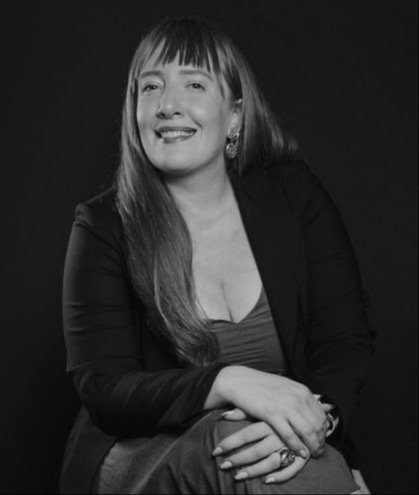
Ana Julia Bonzanini Bernardi
Projects Director at Democracia em Xeque
-
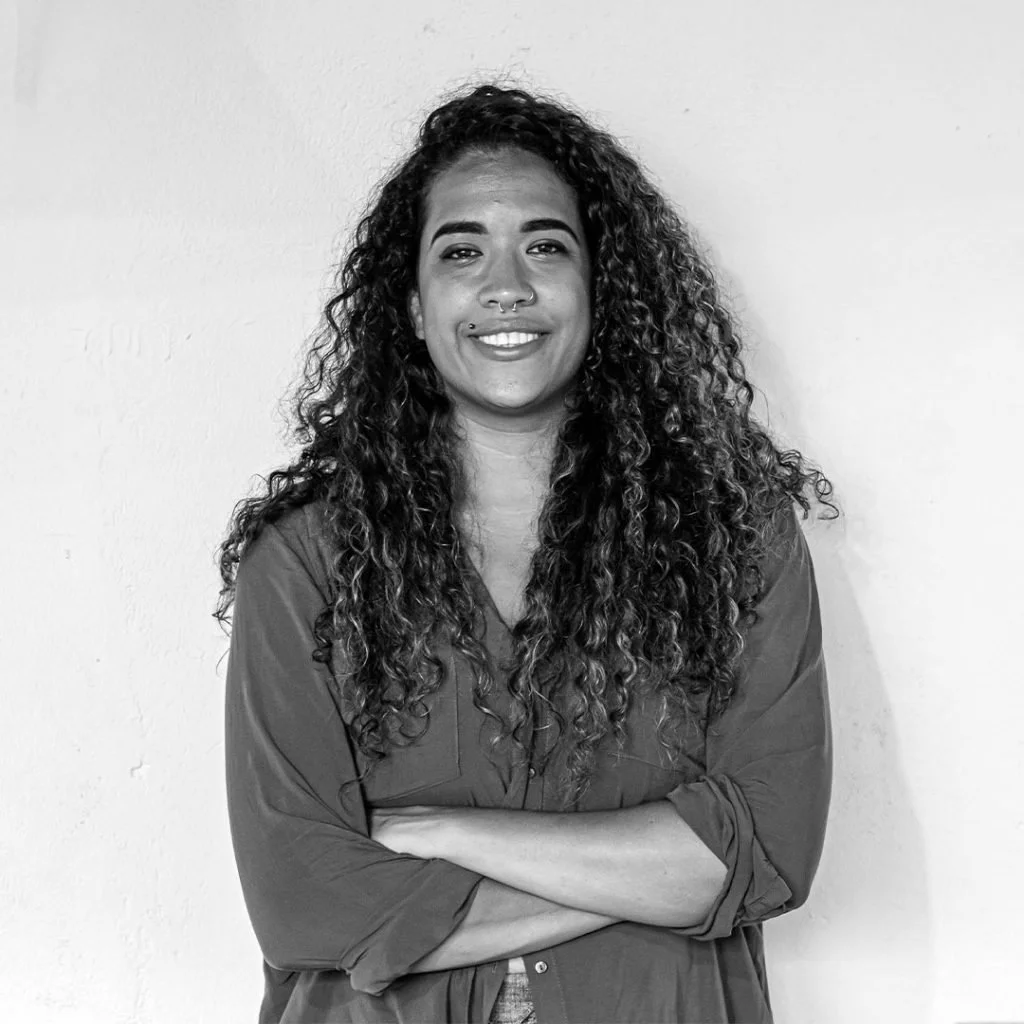
Andreza Jorge
Advocacy and Policies Analyst at Redes da Maré
-

Ângela Mendes
Coordinator at Comitê Chico Mendes
-
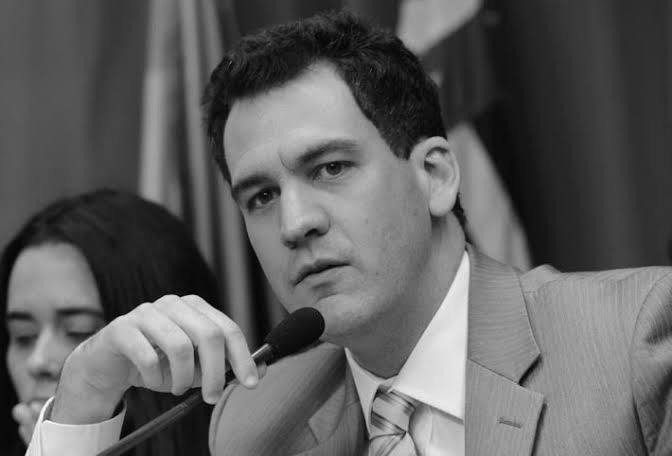
Ariel de Castro Alves
President at Grupo Tortura Nunca Mais SP
-

Athayde Motta
Executive Director at IBASE
-

Benilda Brito
Coordinator at Nzinga
-
Biko Rodrigues
Executive Coordinator at CONAQ
-

Bruna Aguiar
Co-founder of the Coleivo Fala Akari
-
Caetano Scannavino
Coordinator at Projeto Saúde e Alegria
-

Carlos Magno
Member of the Executive Board of ABONG
-

Carolina Ricardo
Executive Director at Instituto Sou da Paz
-

Cassia Bechara
Member of the National Directorate of MST
-

Clarissa Marques Santos França
Co-director at AqualtuneLab
-
Cleber Ribeiro
Research Coordinator at IMJA
-

Daniel de Souza
President of the Board at Ação da Cidadania
-

David Gomes Lôbo dos Santos
Director of Strategic and Institutional Relations at FAFERJ
-

Dinamam Tuxá
Executive Coordinator at APIB
-
Douglas Belchior
Founder of UNEAFRO Brasil
-

Estefânia Maria de Queiroz Barboza
DEMOS
-

Fernanda Lapa
Executive Coordinator at IDDH
-

Fernando Vivaldo
Advisor at CUT
-

Flavia Pellegrino
Executive Coordinator at Pacto pela Democracia
-
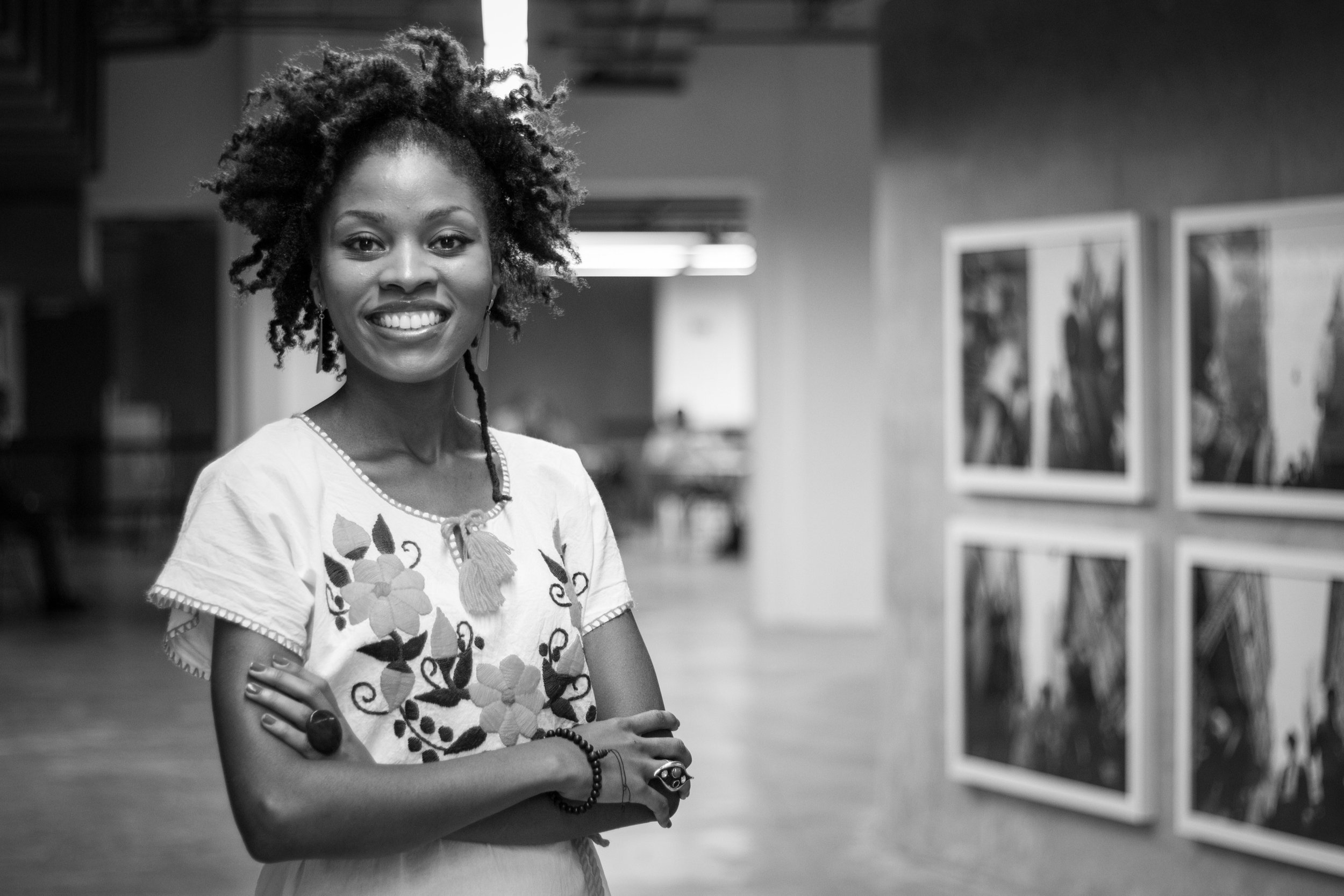
Giselle Anjos
Historian at CEERT
-

Giselle Nunes Florentino
Executive Coordinator at Iniciativa Direito a Memória e Justiça Racial
-

Henrique Frota
Executive Director at Institute Pólis
-
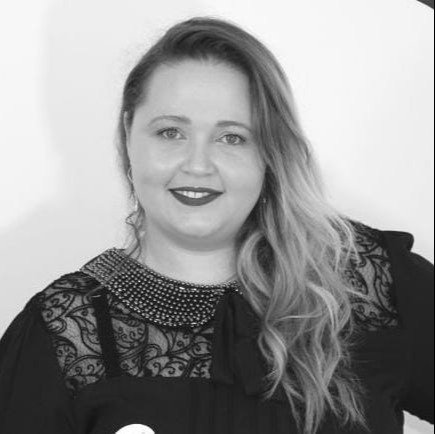
Isabela Corby
Vice-president at Maria Felipa Assessoria Popular
-

Izadora Brito
Coordinator at MTST
-
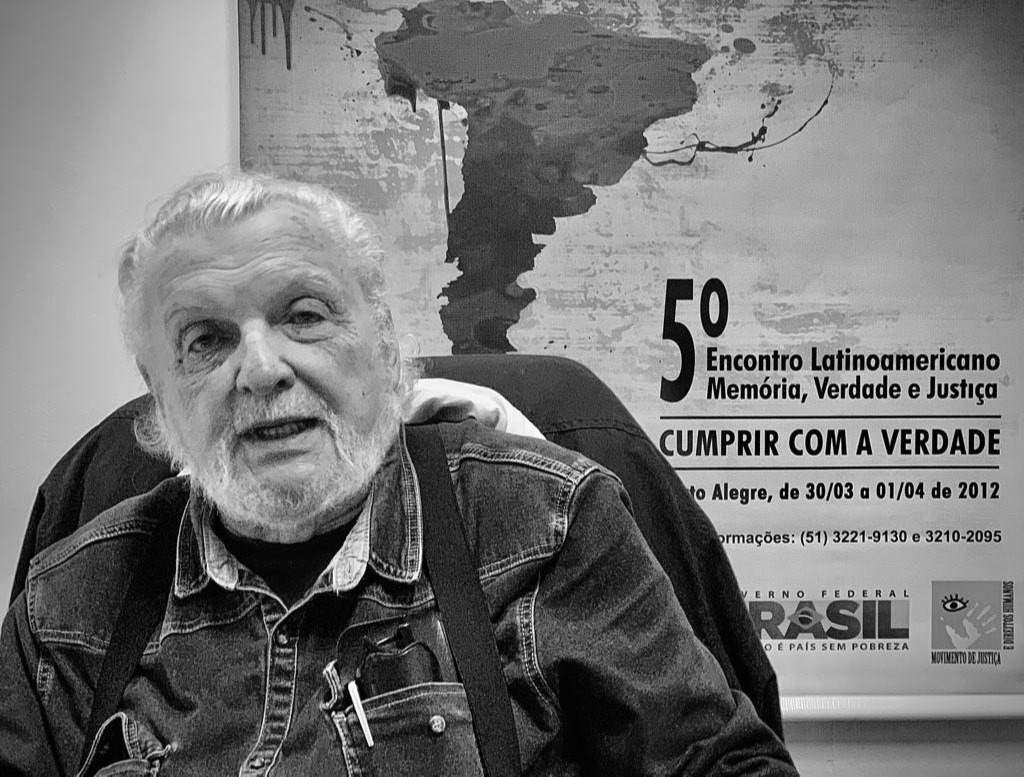
Jair Krishke
President at MJDH
-
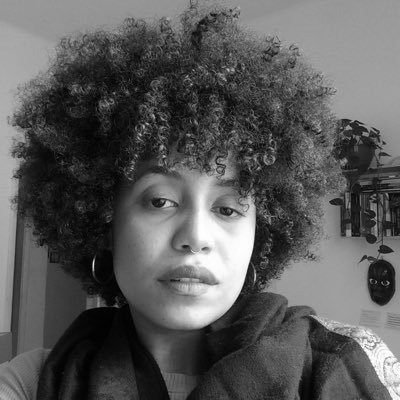
Jheniffer Ribeiro
Communication Coordinator at Mulheres Negras Decidem
-

Joaquim Corrêa de Souza Belo
President at CNS
-

Joel Scala
Director at Observatório do Terceiro Setor
-

Jorge Branco
Member of the Programatic Board at Instituto Novos Paradigmas
-
Lázaro Raimundo dos Passos Cunha
Instituto Steve Biko
-
Lígia Batista
Executive Director at Instituto Marielle Franco
-

Lucas Pedretti Lima
Member of the Coletivo RJ Memória, Verdade, Justiça e Reparação
-

Luiz Dalla Costa
Member of the National Coordination at MAB
-

Luiza Nassif Pires
Director at Made
-

Maia Gonçalves Fortes
Executive Director at AJOR
-
Maiara Folly
Director of Programs at CIPÓ
-

Manoel Severino Moraes de Almeida
President at CENDHEC
-
Manuela Thamani
Executive Co-director at Observatório da Branquitude
-

Marcia Soares
Executive Director at Themis
-

Marcos Rezende
General Coordinator at CEN
-

Marcus Vinicius Ribeiro
Co-founder at 4H5H MEDIA
-

Maria Hermínia Tavares
ARNS Commission
-

Mariana Mota
Coordinator of Public Policy at Greenpeace Brasil
-

Mariana Moreau
Counselor at Associação Bem-Te-Vi
-

Marie Santini
Director and Founder of NetLab UFRJ
-

Marina Adams
National Coordinator of the USNDB
-

Nicole Verillo
Manager at Transparency International Brasil
-
Nilza Valeria
Executive coordinator of Frente Evangélica
-

Paulo César Carbonari
Member of the National Directorate at MNDH
-
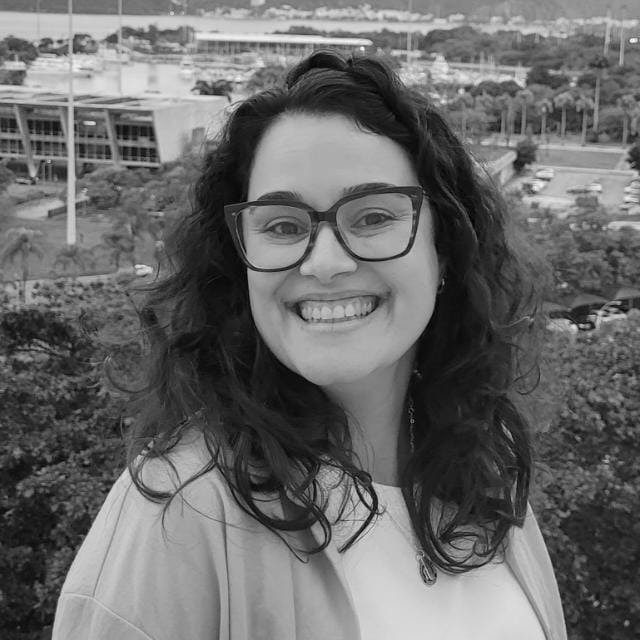
Raísa Cetra
Executive Director at Artigo 19 Brasil
-

Rogério Sottili
Executive Director at Instituto Vladimir Herzog
-
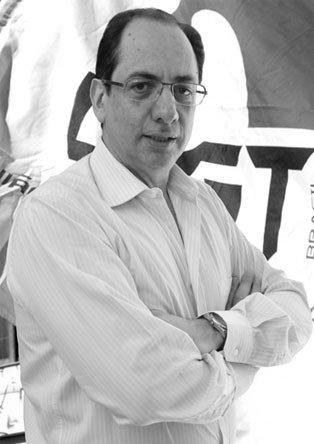
Ricardo Patah
President of the General Union of Workers (UGT)
-
Suelaine Carneiro
Education and Research Coordinator at Geledés
-

Tamara Biolo Soares
President of the Instituto Cidade Segura
-

Thiago Nascimento
International Relations at LabJaca
-

Túlio Ferreira
Member of Associação Brasileira de Relações Internacionais
-

Valdecir Nascimento
Executive coordinator at ODARA
-
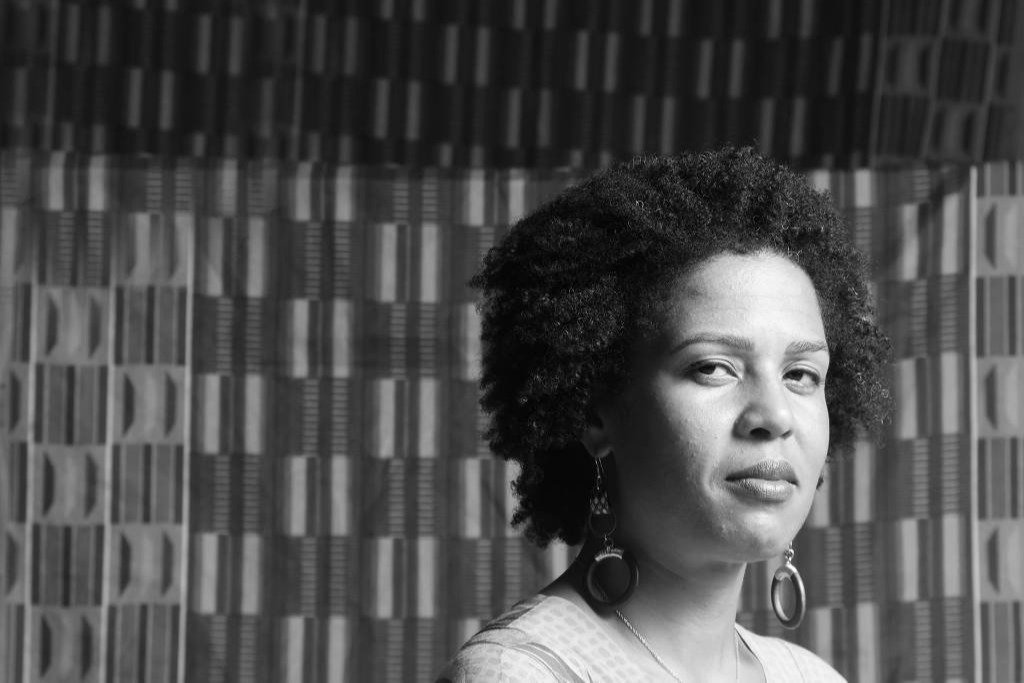
Vanessa Nascimento
Director of the Instituto de Referência Negra Peregum
-

Veriano Terto Jr
Vice-president at ABIA
-
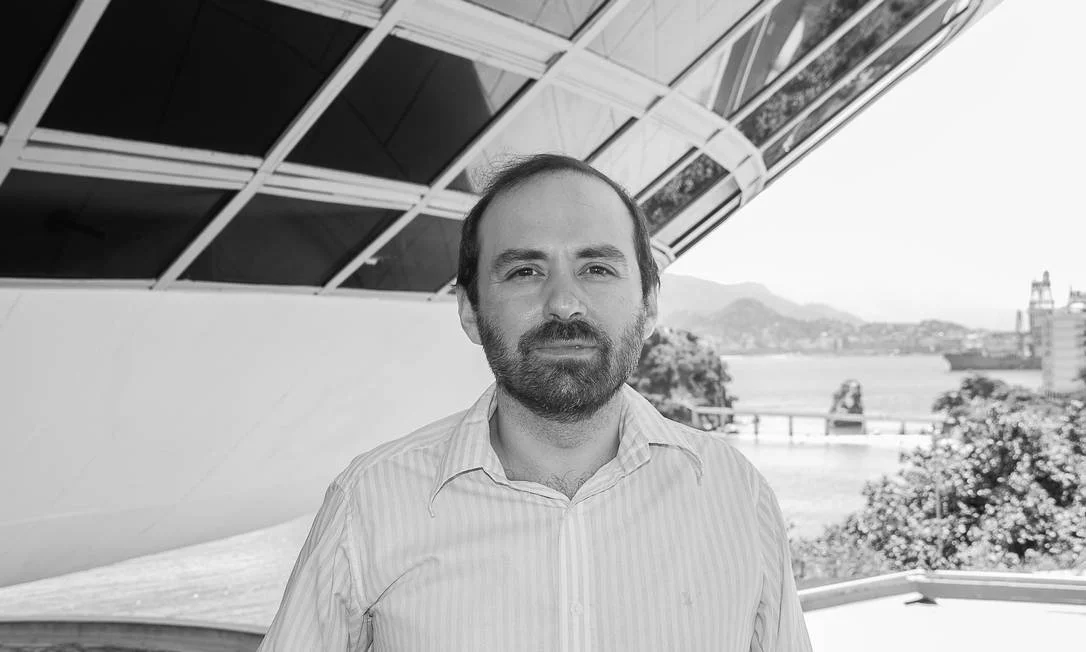
Vitor de Wolfe
International Relations, ABGLT
-
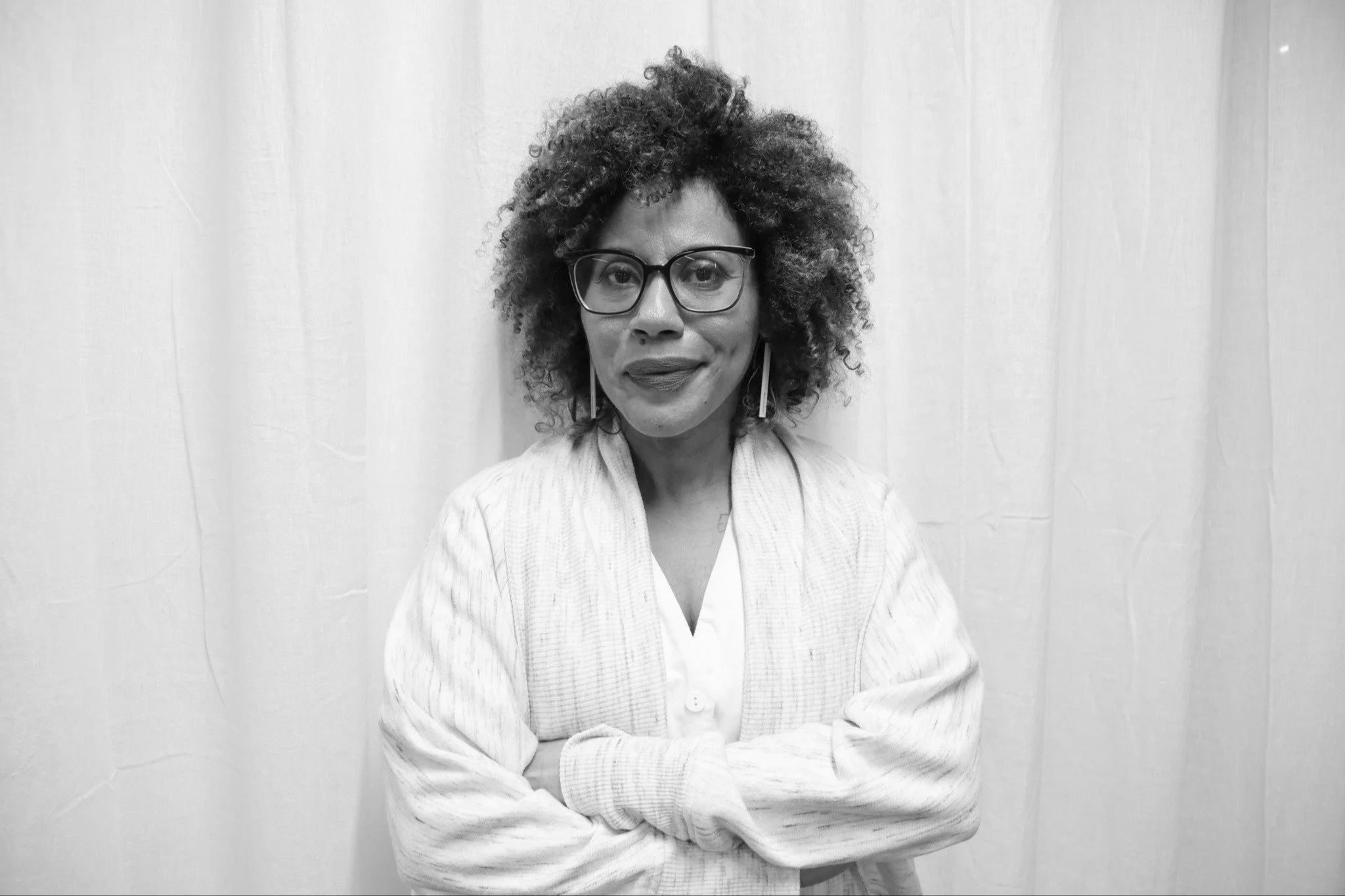
Viviana Santiago
Executive Director at Oxfam Brazil
RESEARCH FELLOWS
The Washington Brazil Office’s annual ‘Research Fellows’ program brings together researchers on topics that are relevant to contemporary Brazil to actively contribute to the different activities of the WBO.
-
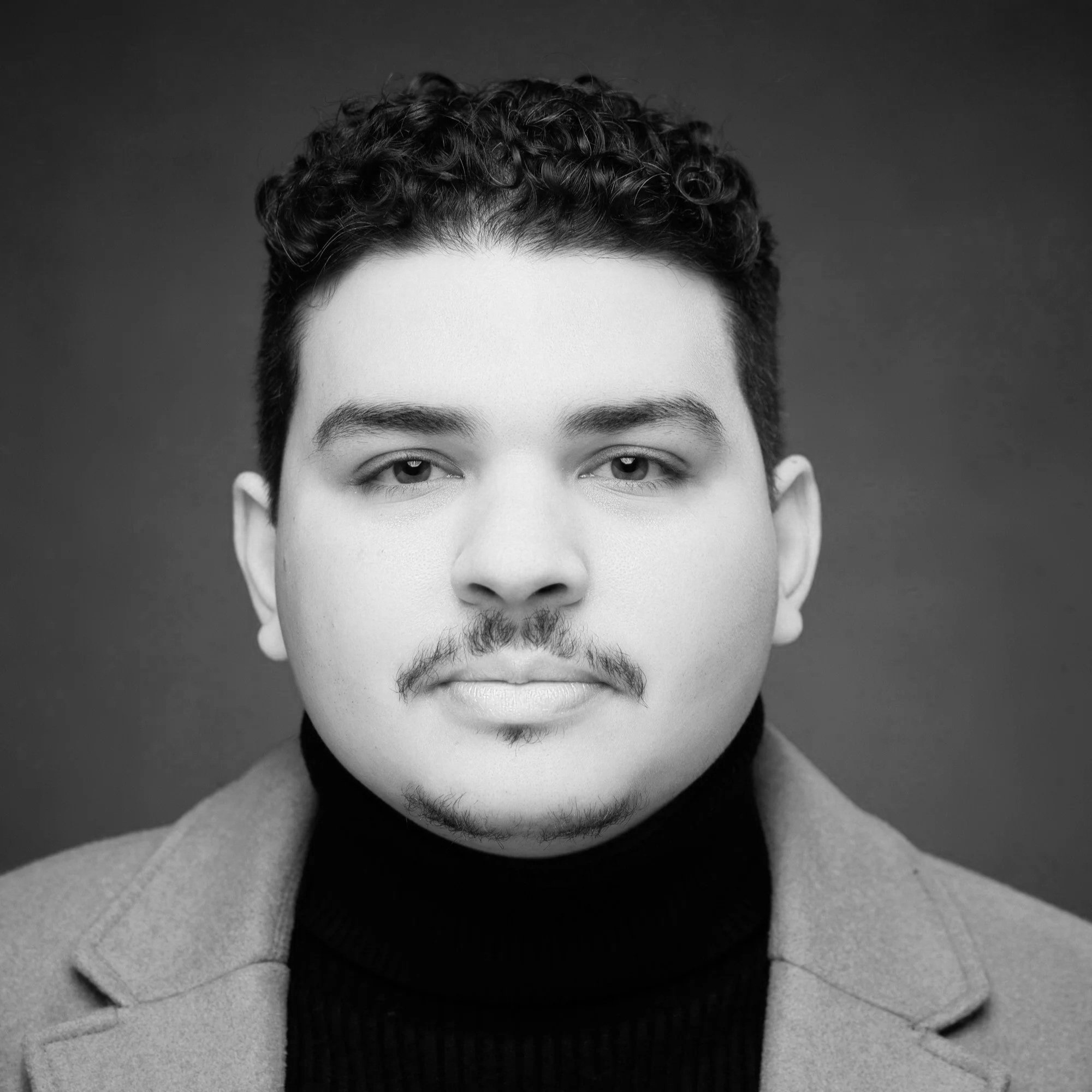
Lucas Amorim is a PhD candidate at the Institute of International Relations at the University of São Paulo (IRI-USP), Professor of International Relations at Unisagrado, and Associate Researcher at the Brazilian Observatory on U.S. Politics (OPEU/INCT-INEU). He was previously a Fulbright Visiting Researcher at Georgetown University Law Center (2024–2025). His research focuses on international institutions and regimes, international political economy, international investment law, and sustainable development.
-
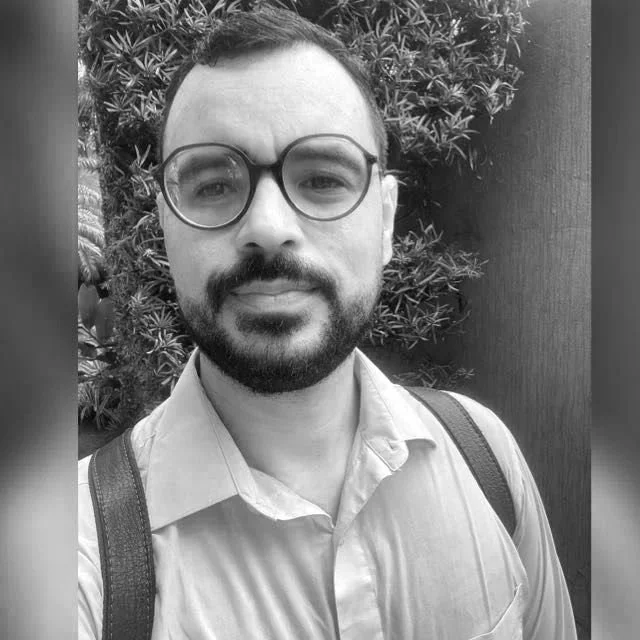
Leif Grünewald is a philosopher and professor at the Universidade do Estado do Pará (Brazil), where he works in undergraduate Philosophy and in the Graduate Program in Religious Studies. His research lies at the intersection of political philosophy, philosophy of language, and contemporary critical theory, with particular attention to ambiguity, democratic discourse, and emerging forms of authoritarianism. He has published and taught on topics ranging from German philosophy and political ontology to myth, memory, and conceptual regimes in the Global South. His current work examines Brazil–United States relations through the lens of the so called “fascism of ambiguity” in contemporary democracies.

-
Natalia Figueiredo is a Brazilian lawyer and policy specialist with over eight years of experience working at the intersection of democracy, public policy, and environmental justice. Her work focuses on the internationalization of environmental agendas and the defense of the Cerrado and Caatinga, particularly where ecological degradation intersects with structural inequality and democratic governance. She holds a Master’s degree in Contemporary Legal Theory, grounded in human rights and feminist perspectives. Currently, she operates at the interface of research, advocacy, and institutional engagement, producing analysis to strengthen democratic institutions and environmental protection for historically marginalized territories.

-
Erica Capecchi is an Honorary Research Fellow in the School of Modern Languages at the University of Bristol. Her research analyses how far-right movements use digital media, visual culture, and online propaganda to influence public debate and democratic processes across national contexts. Initially centred on Italy, her work now examines transnational dynamics between Europe and Brazil, contributing to broader discussions on democracy, political communication, and the global circulation of extremist narratives. Interdisciplinary in approach, she bridges cultural analysis and digital media research to inform academic, policy, and public understanding. She has presented internationally and is currently developing her first monograph.
-
Gabriel Silva Collins is a PhD student in UCLA’s Cotsen Institute of Archaeology. After working on projects in Peru, Bolivia, and Mexico, his dissertation now focuses on contemporary archaeology in the caatinga thorn forests of Bahia, Brazil. Gabriel looks at how members of the Landless Workers’ Movement (MST) interact with caatinga environments that are seen as essential supporters in fights to claim land: a viewpoint that ties into Brazilian histories such as the 19th-century War of Canudos. Gabriel is a U.S.-Brazilian dual citizen and engages with the caatinga as both a research subject and a landscape of familial history.

-
Maria Martins is a PhD researcher at the Leuven International and European Studies Institute, studying EU - Brasil relations and diplomatic practices of international cooperation in the field of human rights and climate change. In October 2023, she was awarded a Foundation for Science and Technology (FCT) fundamental research doctoral fellowship from the Portuguese Research Council. Maria holds a Master of Arts in European Studies from KU Leuven and a Bachelor degree from the University of Coimbra, in Portugal. Prior to joining KU Leuven, she worked as a research assistant at the United Nations University Institute on Comparative Regional Integration Studies (UNU-CRIS) and in the Leuven Centre for Global Governance Studies, where she conducted research on the European Union and Latin American cooperation in the field of human rights.
-
Lawyer, Master's student in Law at the University of Brasília (UnB), in the "Law Found in the Street" line of research. Graduated in Law from the Federal University of Paraná (UFPR) and also holds a degree in Performing Arts from the Faculty of Arts of Paraná (UNESPAR/FAP). Member of the Center for Studies in Human Rights Systems (NESIDH - UFPR). Researcher in the areas of Human Rights and the rights of indigenous peoples. Since 2020, he has worked in the legal advisory department of the Articulation of Indigenous Peoples of Brazil (APIB), the national body of the Brazilian indigenous movement.

-
Carmen Hein de Campos holds a Ph.D. in Criminal Sciences (PUCRS). She is a Visiting Professor in the Graduate Program in Law at the Federal University of Rio Grande (FURG) and a Collaborating Professor in the Graduate Program in Law at Centro Universitário Autônomo do Brasil (UniBrasil). She serves as General Coordinator of Red ALAS – the Latin American Network of Legal Scholars. Her research focuses on democracy, gender, and legal conservatism. She is co-editor of the book Neoconservatisms and Anti-Gender Ideologies in Latin America (Lumen Juris, 2024).
-
David Nemer is Associate Professor of Media Studies and director of Latin American Studies at the University of Virginia. He is the author of Technology of the Oppressed (MIT Press, 2022) and Favela Digital: The Other Side of Technology (GSA, 2013). Nemer has a PhD in Computing, Culture, and Society from Indiana University, a Master’s in Anthropology from the University of Virginia and in Computer Science from Saarland University. He is also a Faculty Associate at Harvard University’s Berkman Klein Center and an Affiliated Scholar at Princeton University’s Brazil Lab. Nemer has written for The Guardian, El País, HuffPost, Salon, The Intercept, and CartaCapital.

-
Maria G. Gatti holds a PhD from Harvard University and was a researcher at the Joint Center for History and Economics (University of Cambridge), the Weatherhead Center for International Affairs and the David Rockefeller Center for Latin American Studies (Harvard). For her historical research on Brazil-US networks of censorship and propaganda, she received the NECLAS Best Article Prize and honorable mention for the LASA Brazil Section Best Dissertation Prize. She is working on her book, "Double Agent," and serves as a consultant for Brazil’s Ministry of Foreign Affairs and the Organization of Ibero-American States.
-
Rubia Valente is Associate Professor at the Marxe School of Public and International Affairs at Baruch College, City University of New York. She completed her doctorate at the University of Texas at Dallas in Public Policy and Political Economy. Her research applies advanced quantitative methods to investigate quality of life and the impact of policies on underrepresented and marginalized groups, providing empirical support for formulating policies addressing socioeconomic inequalities due to race, class, and gender in social, political, educational, and religious institutions.
-
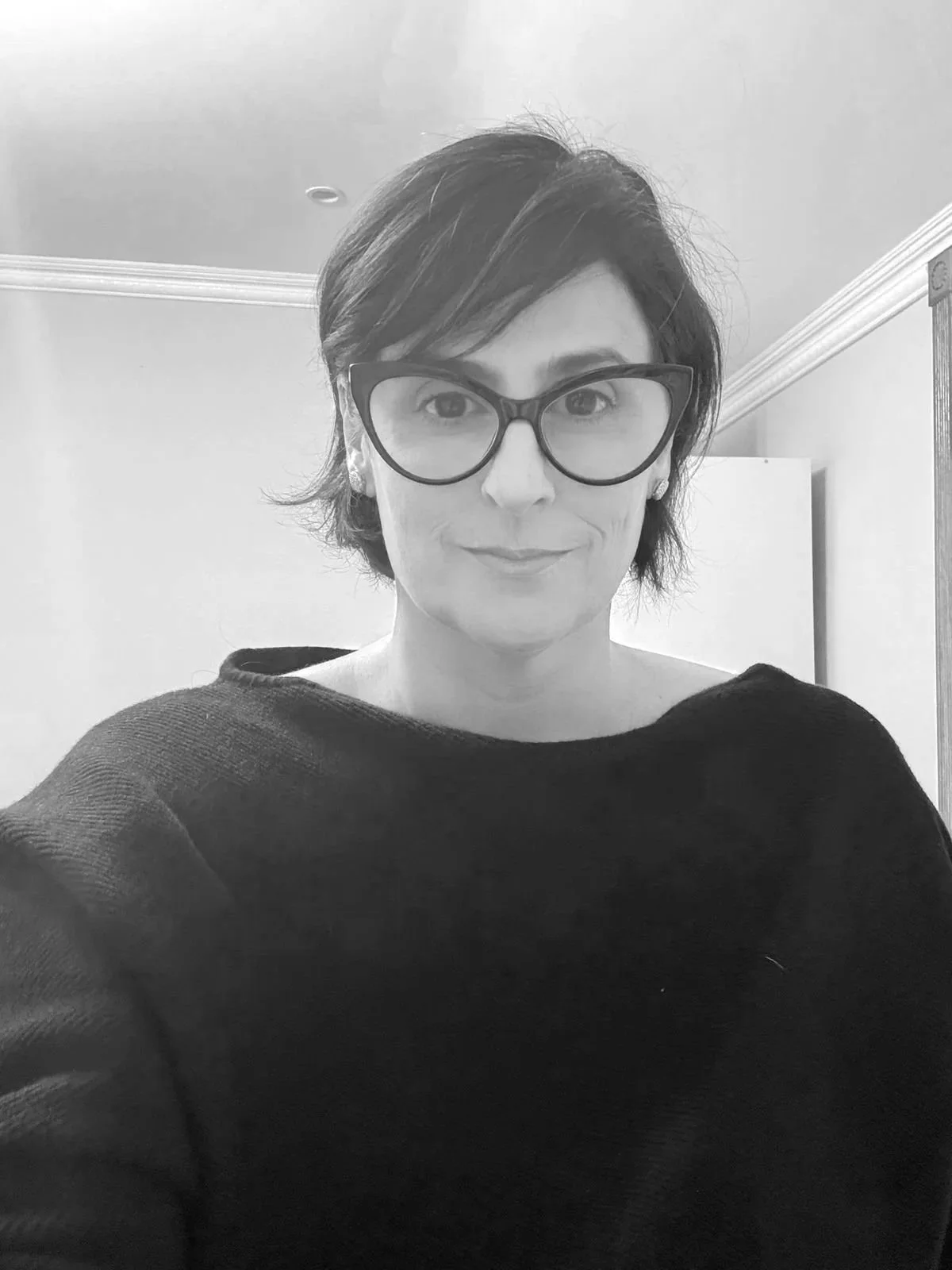
Gisele Agnelli is a political scientist and sociologist who graduated from PUC-SP and works between Brazil and the United States. She is the author of the book Autocracy Made in the USA, in which she analyzes the impacts of Trumpism on liberal democracy. A columnist for Congresso em Foco and a guest commentator for CBN São Paulo, she researches democratic erosion, contemporary authoritarianism, and Brazil–U.S. relations. An alumna of the Hoosier Women Forward program, she is the founder of the #VoteNelas movement and the Brasileiras na Flórida Book Club. She is part of transnational research and democratic advocacy networks, with a focus on civil rights, governance, and institutions. She develops analyses on democracy, international politics, and the rule of law, with an emphasis on contemporary challenges.
-
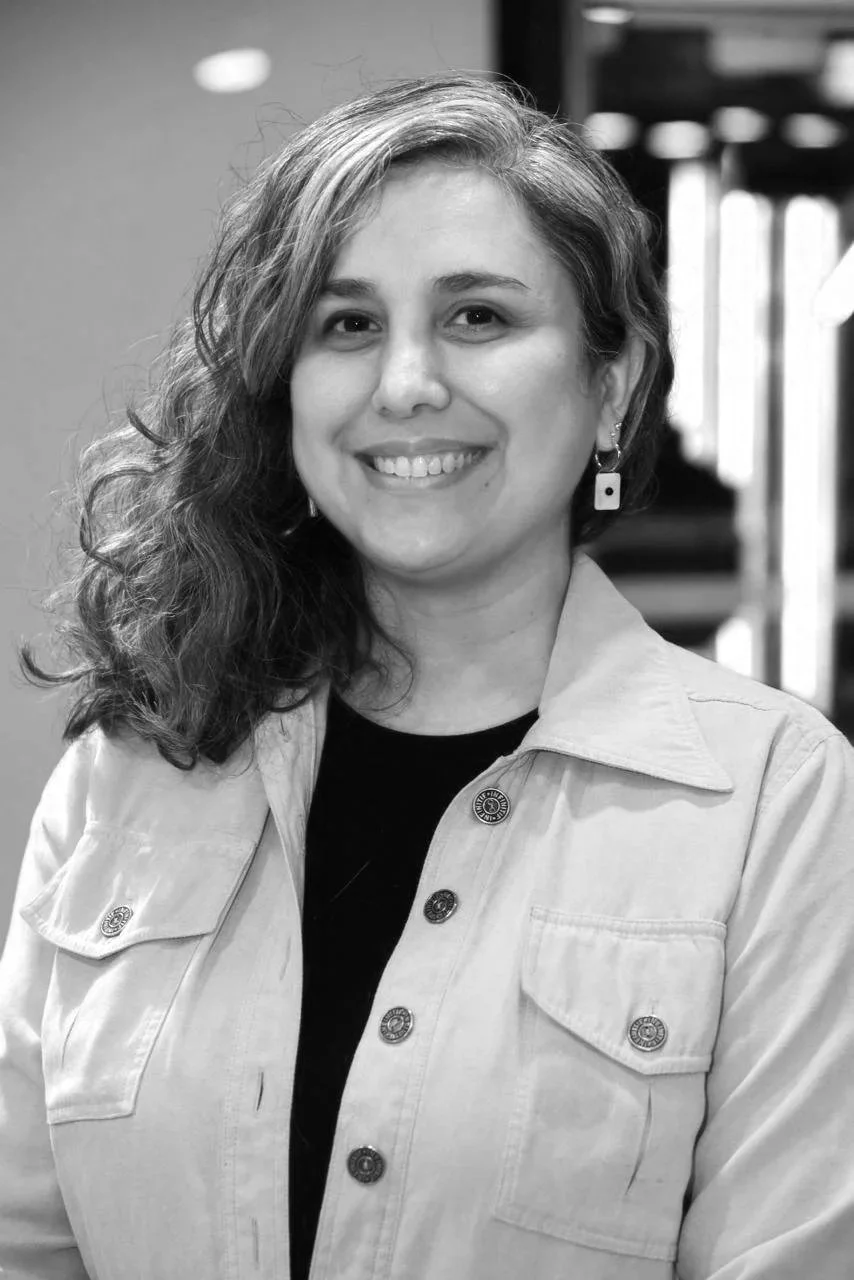
Flávia Vieira is a Program Manager at LACLIMA. Born and raised in the Brazilian Amazon, she holds a PhD in Law from the Federal University of Pará, with visiting research periods at Birkbeck School of Law and PUC-Rio. Flávia has over ten years of experience working in research institutions, including Tilburg University, as well as in international organizations such as UNESCO and UNDP, and in non-governmental organizations. Her research focuses on the interconnections between climate justice, corporate power, and human rights. She is the author of Direitos Humanos e Desenvolvimento: o caso de Belo Monte (Appris, 2021), among other publications. She is also a member of Rede Amazonidas pelo Clima (RAC).

-
Gabriel Suchodolski is a Postdoctoral Research Fellow at Georgetown University’s Earth Commons Institute. His research analyzes land policy, deforestation, and development in Amazonia based on ten years of ethnographic fieldwork and comparative-historical and quantitative data analysis. He earned a PhD in Sociology from the University of California, Los Angeles, an MA in Anthropology from Columbia University, an MA in Sociology from Rio de Janeiro State University, and a BA in International Relations from the University of São Paulo. Before his PhD, Gabriel worked at the New Social Cartography of the Amazon Project (PNCSA) in Manaus assisting traditional communities and social movements in mapping the social use of their territories.
-
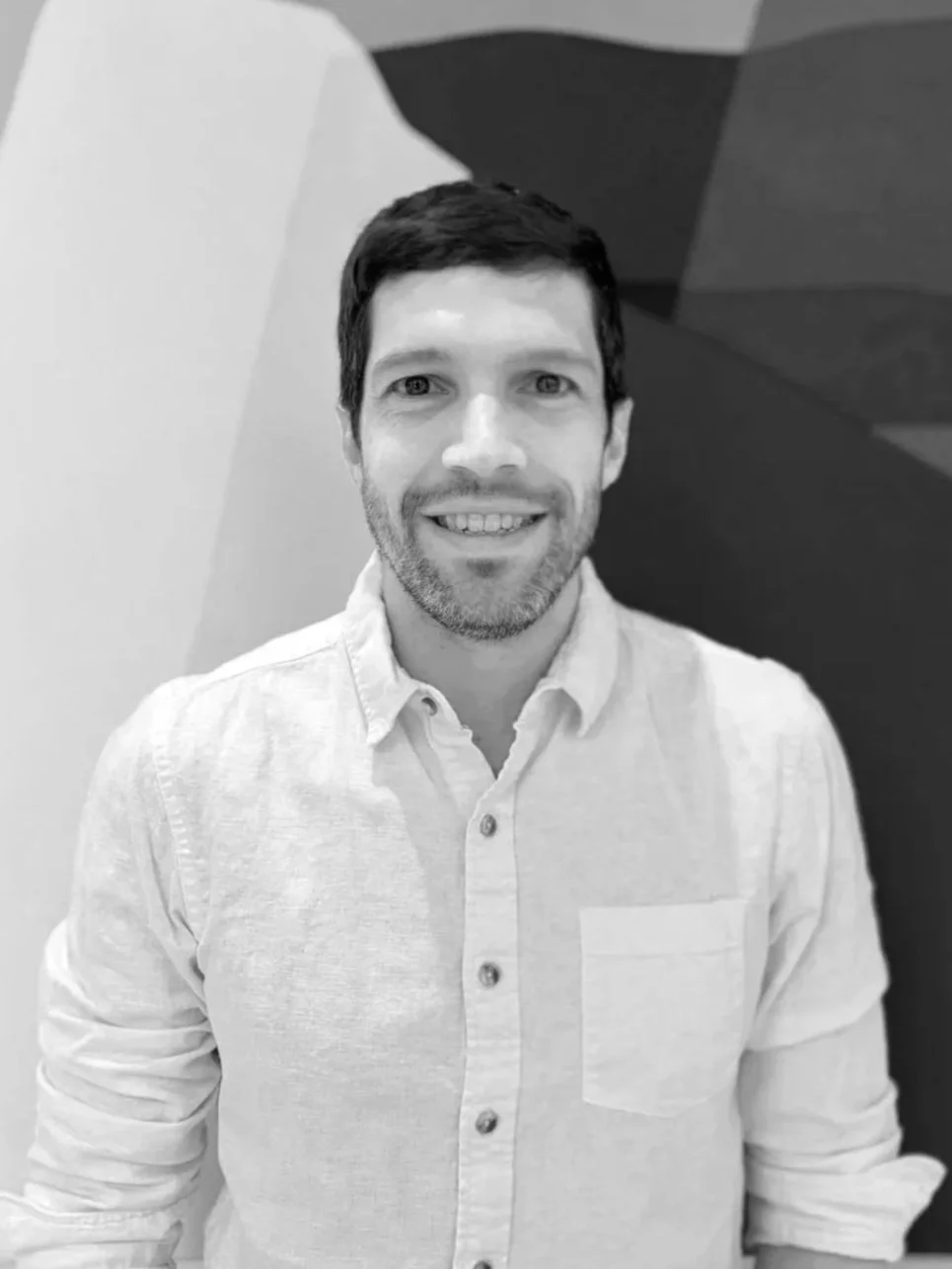
Peter Wood holds a PhD in Geography from Florida State University and completed a postdoctoral fellowship in Demography at the Center for Development and Regional Planning at the Federal University of Minas Gerais. His research has focused on topics such as violence, religion, informal and illicit economies, and political participation in the process of urban development in Brazil. He currently works in the private sector, researching international telecommunications in Latin America.
honorary members of the board of directorsIn 1969, exiled Brazilian congressman Márcio Moreira Alves visited Washington, D.C. to speak with congressional representatives about torture and repression in Brazil under the Brazilian military dictatorship. Among other politicians, he met with Mike Mansfield, the Senate Majority Leader. Over the next five decades, many American and Brazilian activists living in the United States were involved in educating Congress and mobilizing the public in support of human and labor rights, environmental justice, and democracy in Brazil. The Washington Brazil Office, which considers its activities a direct continuation of these efforts, recognizes and honors some of these pioneering figures who work in the United States in the defense of social justice and equality in Brazil and is honored to have them on the Honorary Board of Directors.

-
Marcos Arruda moved to Washington, D.C. in 1971 after a year in Brazilian prisons for his opposition to the regime. Many years later his mother, Lina Penna Sattamini, documented her son’s story in A Mother’s Cry: A Memoir of Politics, Prison, and Torture Under the Brazilian Military Dictatorship (Duke UP, 2000). Marcos co-founded the Committee against Repression in Brazil (CARIB) in Washington, D.C. and was an active national leader in the movement to denounce the dictatorship. A Washington Post interview about his torture experiences was a significant influence on the newspaper’s editorials against U.S. government’s support of the military regime.

-
Ralph Della Cava, as a professor of Latin American history at City University of New York, Queens, was a leading force in the movement against the Brazilian dictatorship throughout the 1970s and early 1980s. Working behind the scenes to mobilize academics and activists to speak out against the gross violation of human rights in Brazil and other related issues, he co-founded American Friends of Brazil, helped prepare the first dossier in the United States about torture in Brazil, and organized the circulation of the first national petition, “We Cannot Remain Silent,” that denounced U.S. complicity with the military regime.

-
Dr. Margaret E. Crahan is a Senior Research Scholar and Director of the Cuba Program at the Institute for Latin American Studies at Columbia University. In 1970, she accompanied Brazilian exiled Congressmen Márcio Moreira Alves on a campus tour to denounce torture and repression in Brazil. In 2013 the government of Brazil recognized Dr. Crahan for her work on human rights, particularly in support of its return to democratic civilian government. She serves on the Executive Committee of the Inter-American Institute of Human Rights and the Board of the Latin American Program of the Woodrow Wilson International Center for Scholars.

-
Ron Chilcote is the Managing Editor of Latin American Perspectives, a theoretical and scholarly journal, founded in 1974, for discussion and debate on the political economy of capitalism, imperialism, and socialism in the Americas. The journal played a leading role in publishing scholarly works about the the socio-economic and political issues that Brazil faced during the dictatorship and afterward. Professor Emeritus of Economic and Political Science at the University of California, Riverside, he has also written several important books on Brazil including, Intellectuals and the Search for National Identity in Twentieth-century Brazil (Cambridge, 2010).

-
Timothy Harding is Professor Emeritus in Latin American history from California State University, Los Angeles and a member of the editorial collective of Latin American Perspectives. His doctoral dissertation from Stanford University on the history of Brazilian trade unions was an important study of the process of state-control over the labor movement before and during the military regime. In the 1970s and beyond, he played a leading role in solidarity activities with Brazil, sponsoring the visit of Brazilian exiles and other public oppositionists to Southern California to talk about the situation in the country.
-
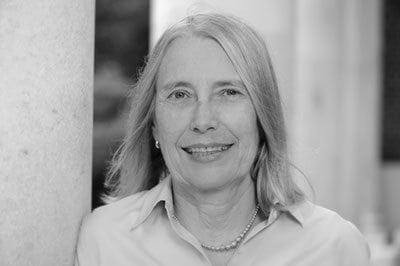
Margaret Keck is Professor Emerita of Political Science at Johns Hopkins University. In 1981, she and her husband Larry Wright founded the Brazilian Labor Information and Resource Center in Washington, D.C. that organized solidarity with the labor movement in Brazil among trade unionists in the United States. She is also the author of The Workers’ Party and Democratization in Brazil (Yale, 1992), and co-author of Activists Beyond Borders: Advocacy in International Politics (Cornell, 1998), Greening Brazil: Environmental Activism in State and Society (Duke, 2007), and Practical Authority: Agency and Institutional Change in Brazilian Water Politics (Oxford, 2013).

-
Anivaldo Padilha, a Protestant religious and leftwing activist, was arrested and tortured in São Paulo in 1970 for his opposition to the military dictatorship. He moved to the United States the next year, where he played a leadership role in activities against the Brazilian authoritarian regime. He became the editor of Brazilian Information Bulletin, a national newsletter based in Berkeley, Californian, that informed the U.S. public about the Brazil government’s human rights violations and its socio-economic and environmental policies that disadvantaged the poor, working class and Indigenous peoples among other issues.

-
Loretta Strharsky was active in the anti-Vietnam war movement, open housing marches teaching in Mississippi, and support work in the Dominican Republic in the 1960s. These experiences led to her radicalization. Shortly after moving to Washington, D.C., she co-founded the Committee Against Repression in Brazil (CARIB), which used the visit of Brazil’s dictator to the White House to publicly expose the U.S. involvement in and responsibility for Brazilian torture of its people. She continued with CARIB to lobby against U.S. support for the dictatorship and later extended educational reach by merging CARIB with the Common Front on Latin America.

-
Harry Strharsky co-founded the Committee Against Repression in Brazil (CARIB) in Washington, D.C. in 1971 to prepare a demonstration for the State visit of General Médici of Brazil with President Nixon and denounce U.S. complicity with Brazilian torture through a display of posters, theater, and song in Lafayette Park directly across from the White House. The Washington Post and national TV distributed these images throughout the country. CARIB also lobbied Congress to end US. support for the Brazilian dictatorship. Harry became the U.S correspondent for the Bertrand Russell Tribunal on Brazil and helped merge CARIB into the Common Front for Latin America (COFFLA) in 1973.