
Publications
Featured ARTICLES
The Challenge of Global Technological Infrastructure in the Brazilian Electoral Context
Who will control the artificial intelligence infrastructure built upon Brazil’s water, energy, minerals, and territories? The answer should not depend on Washington’s strategies or those of technology companies, but rather on the conditions Brazil sets for hosting them. The country possesses key attributes for this expansion, such as a predominantly renewable energy matrix and abundant natural resources, including critical minerals used in technology supply chains. However, this availability exists alongside ecological limits, inequalities in access, and competing needs.
Oil at the Mouth of the Amazon: Present-Day Emergencies, Sovereignty, and Social Justice
The op-ed argues that Brazil should strategically explore oil discoveries in the Mouth of the Amazon to secure long-term energy sovereignty and fund a just transition to a low-carbon economy. It emphasizes balancing resource exploration with rigorous environmental licensing, enhanced state coordination, and the redirection of oil revenues toward regional development and decarbonization initiatives.
Trade Pressure and Political Intervention Converge in U.S.-Brazil Relations
U.S.-Brazil relations have reached a sensitive juncture just 47 days before Brazil's October 2026 presidential election, as trade pressures and political interventions increasingly intersect with domestic campaign politics. The growing diplomatic friction is accelerating Brazil's economic and diplomatic realignment toward Beijing while drawing criticism from both domestic and international observers.

Rare Earths in Brazil’s Domestic and International Agendas
Brazil holds the world's second-largest reserve of rare earths, with 21 million tons essential for the energy and technological transition, but remains a net importer of these inputs. To reverse the low utilization of these deposits and overcome its history of importing, Bill No. 2780/2024 seeks to establish a new legal framework for the sector. Read the full article by Lucas Silva Amorim.
IMF Report Shows Brazil Has Reached a New Level
The 2026 IMF report confirms Brazil’s economic resilience, projecting 2.4% growth and a 2.5% medium-term potential. While acknowledging social achievements, dropping inflation, and successful debt stabilization, the Fund advises faster fiscal adjustment, addressing budgetary rigidity, and monitoring household debt.
Tariffs and Voting Machines: The New Phase of U.S. Pressure on Brazil
On Tuesday, August 4, the Trump administration revoked the visa of Maria Luiza Viotti, Brazil’s ambassador to Washington. Two weeks earlier, U.S. tariffs totaling 37.5% had gone into effect on a portion of Brazilian exports. That same week, Brazil denied visas to two U.S. State Department officials who were planning to visit the country to question the integrity of its electronic voting machines. All signs point to the bilateral relationship entering an unprecedented phase, in which Washington is intervening directly and simultaneously in both Brazilian trade and elections.
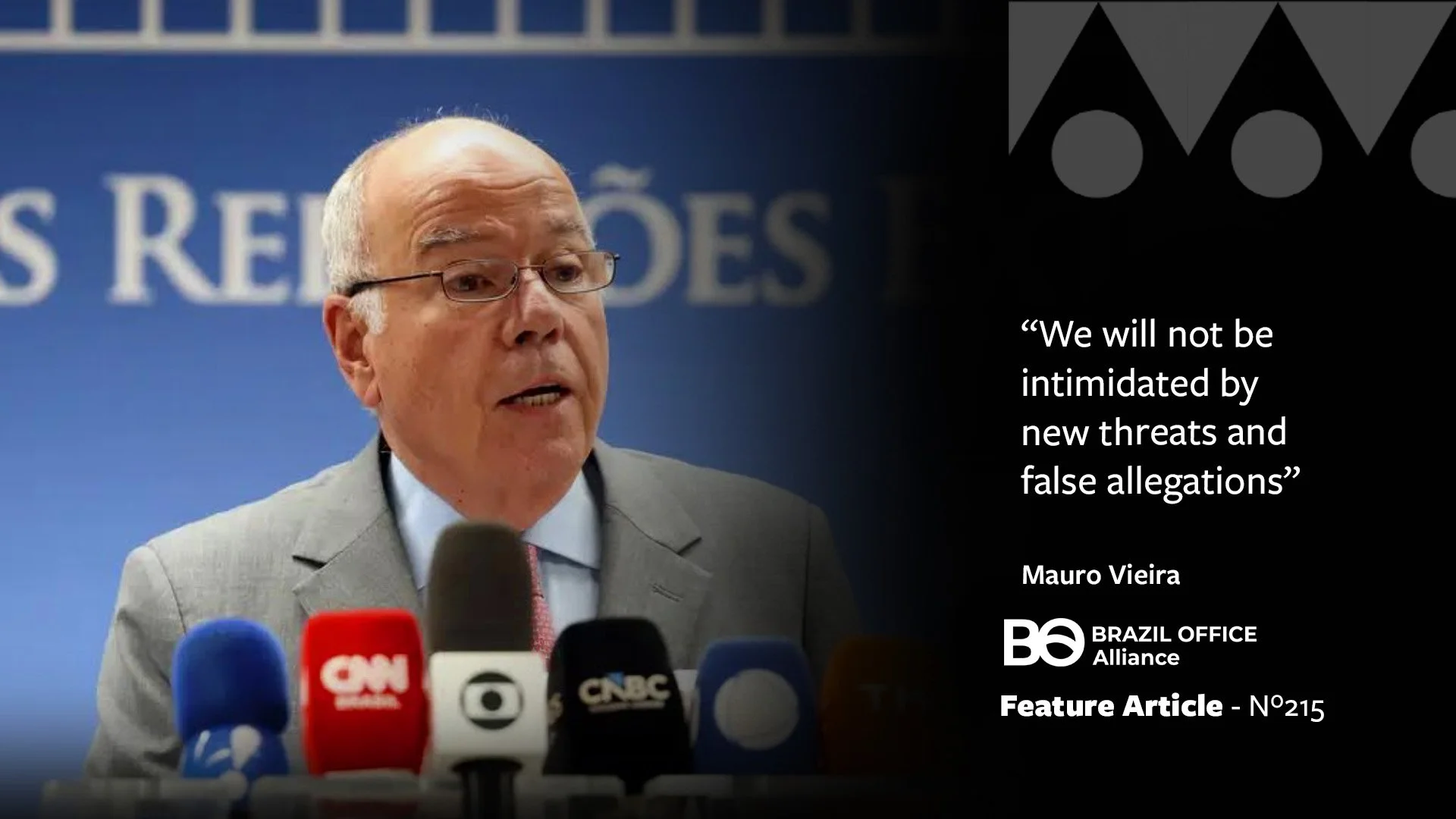
Your Excellencies, the Facts Regarding the Tariff Crisis
Unanimity is not to be expected in democratic regimes. However, in the face of the United States' new tariff-based attack on Brazil—and the admitted political motivations behind it, dating back to President Donald Trump’s original letter of July 2025 (which contained clear threats to Brazilian sovereignty and democracy and announced the launch of the Section 301 investigation that has now concluded)—there is no room for ambiguity or false equivalencies.
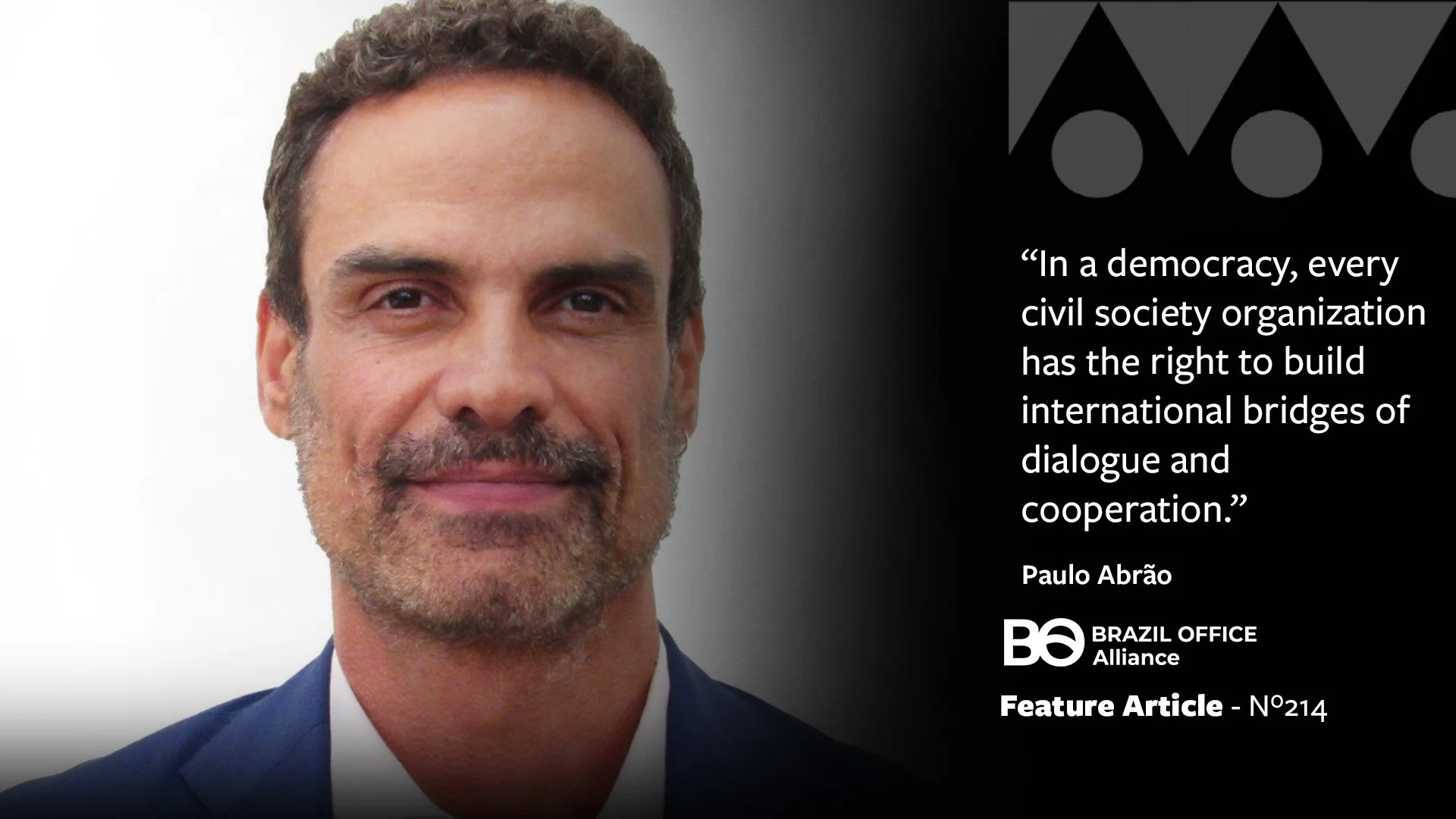
When is it Legitimate and legal to Seek Support from the United States and the World?
The lobbying by the Brazilian far-right in the United States in recent months, aimed at imposing tariffs and other sanctions against Brazil and its authorities to obtain internal political and electoral benefits, is illegal. Equally illegal is conspiring internationally against the regular functioning of one's own democratic institutions.
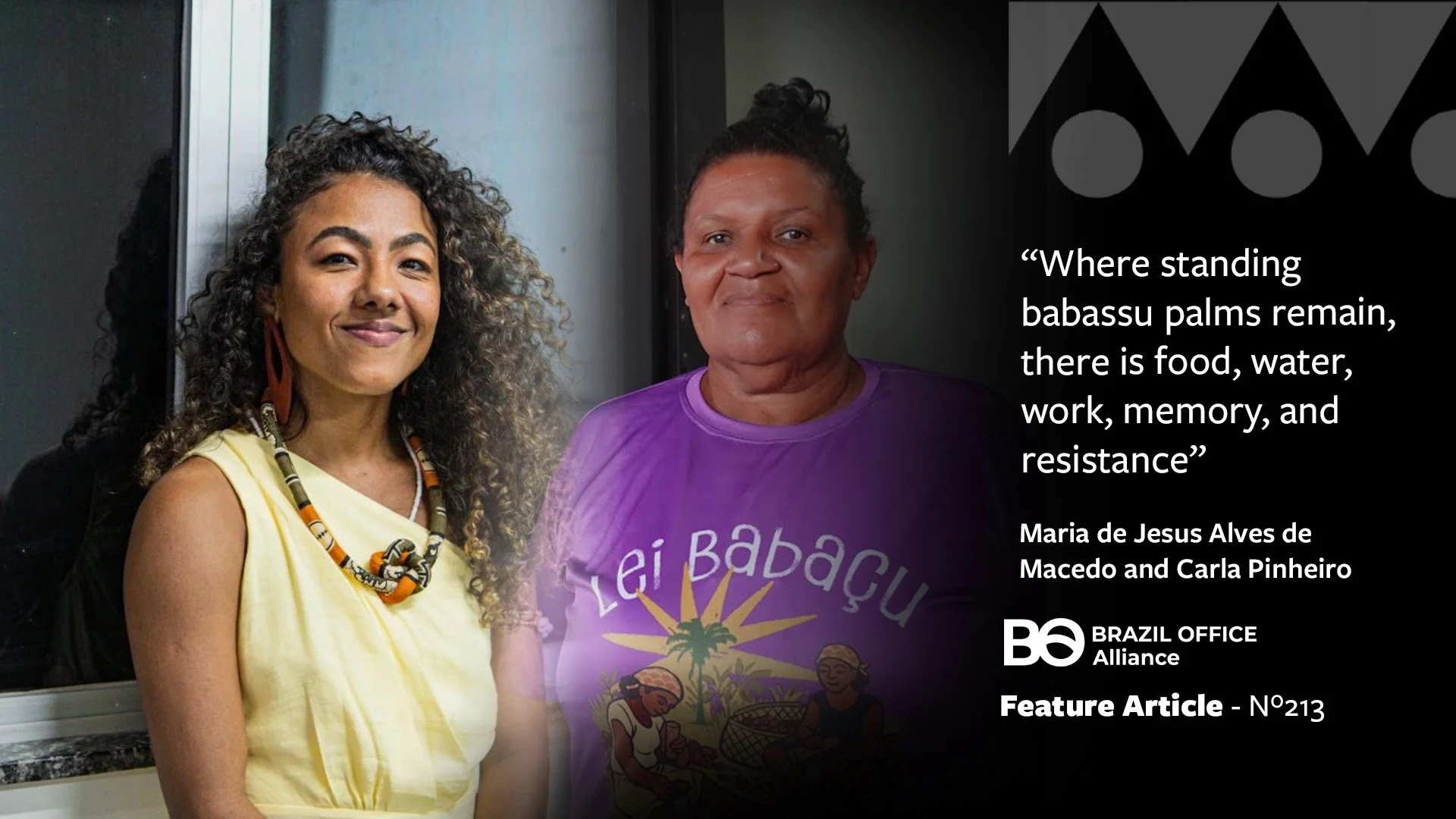
Daughters of the Mother Palm: The Struggle of Babassu Nut Breakers for Land, Climate, and Life
Where standing babassu palms remain, there is food, water, work, memory, and resistance. For thousands of women who harvest babassu nuts, defending the palm tree means defending their territory, traditional ways of life, and the continued presence of their communities within the forests, fields, and waterways.
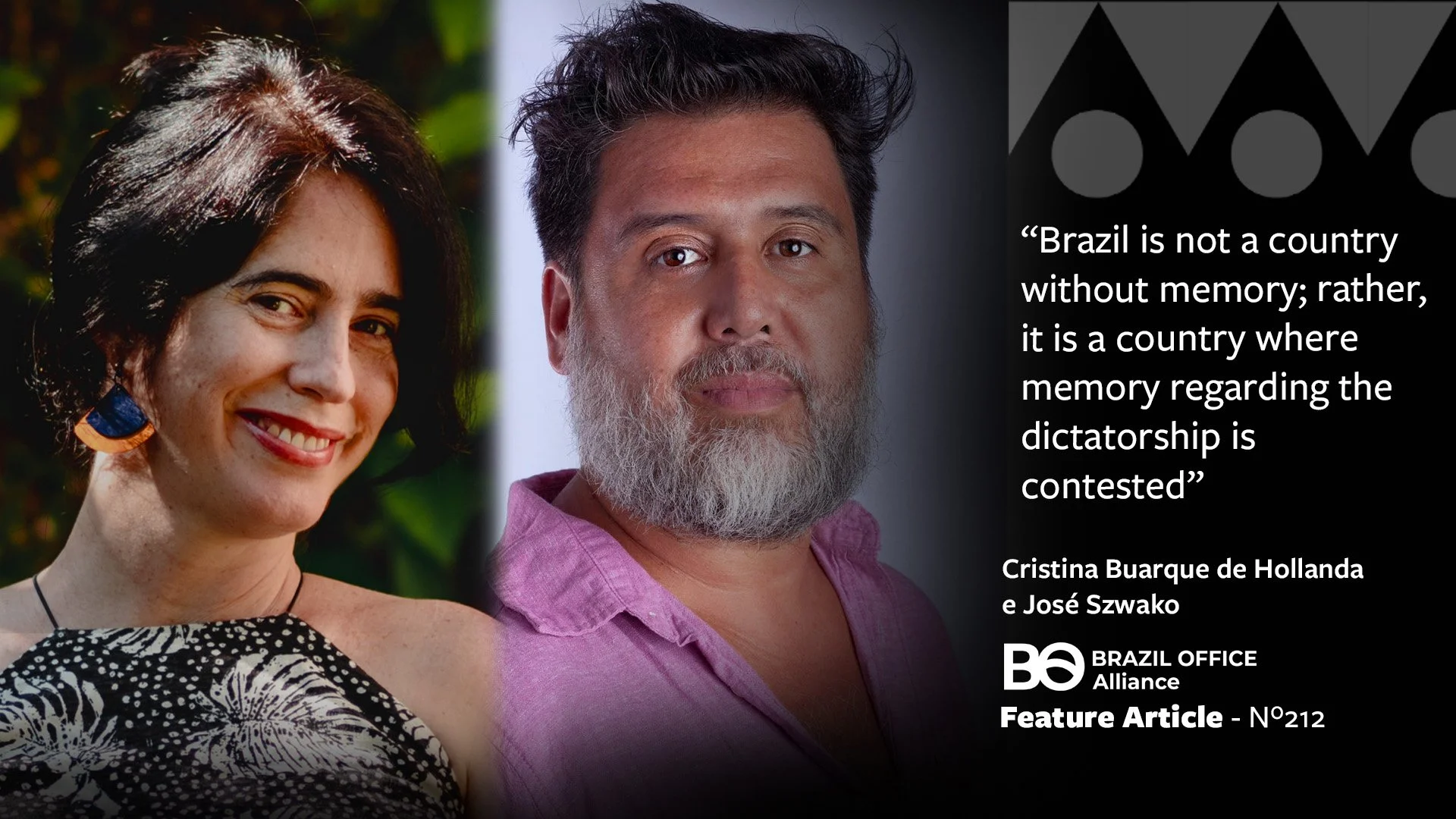
Are We a Society Without Memory?
One often hears it said that Brazil is a country without memory. This narrative circulates among progressive groups and voices of various stripes. It serves to explain everything from the difficulty of punishing crimes committed during the dictatorship to the 2016 coup against Dilma Rousseff and the political rise of Jair Bolsonaro in 2018. We argue that this premise is false. Brazil is not a country without memory; rather, it is a country where memory regarding the dictatorship is contested, internally contradictory, and politically consequential.

We Need to Talk about Red Pill Ideology in Brazil and Beyond
In March 2026, an 18-year-old man was arrested in Rio de Janeiro in relation to a brutal case of group sexual assault of a 17-year-old girl earlier that year. The culprit was photographed wearing a t-shirt with the provocative slogan “regret nothing” at his police hearing, sparking public outrage around the diffusion of Red Pill ideology among young males in Brazil. The motto refers to the British American online influencer, Andrew Tate, who for years has been fostering extreme misogynistic opinions from his social media channels, where he counts millions of followers, many of whom are youngsters.
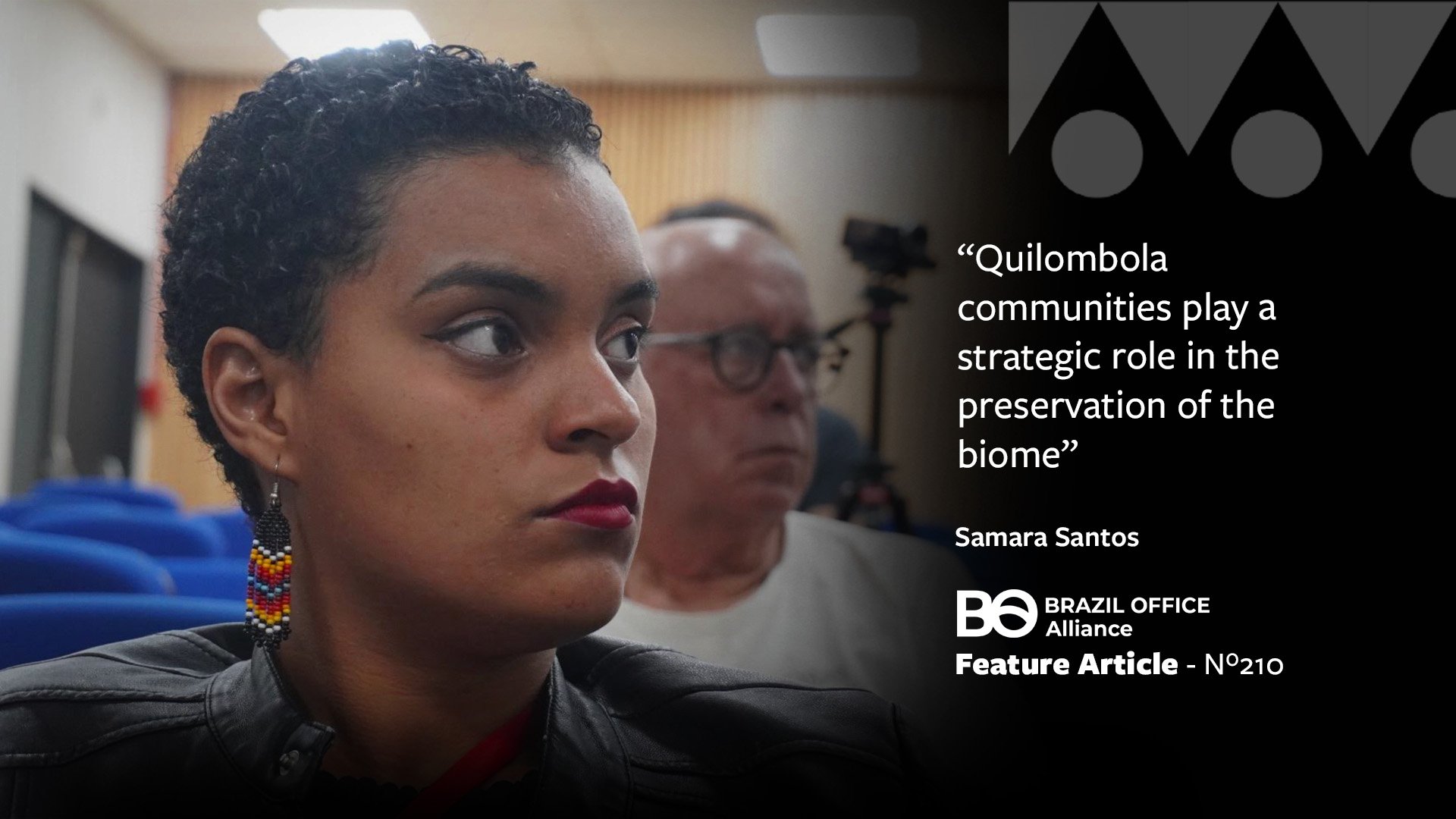
Water Resources and Social Justice: The Challenge of Quilombola Communities
Quilombos emerged in the mid-sixteenth century as a form of resistance by enslaved Africans seeking freedom from colonial oppression. Throughout their historical trajectory, these communities consolidated ways of life based on a collective relationship with the land, the preservation of traditional knowledge, and the sustainable use of natural resources – essential elements for their social, economic, and cultural reproduction.

Time to Enact the Caatinga Law
President Luiz Inácio Lula da Silva, who personally experienced the challenges of drought in the northeastern hinterland, has before him the opportunity to correct a historical omission and transform the recovery of the Caatinga, a semi-arid biome in northeastern Brazil,” into a permanent commitment of the State. The enactment of Bill 1990/2024, approved by the Brazilian Congress, will institute the National Policy for the Recovery of Caatinga Vegetation, creating the first Brazilian legal framework specifically aimed at the recovery of a biome.
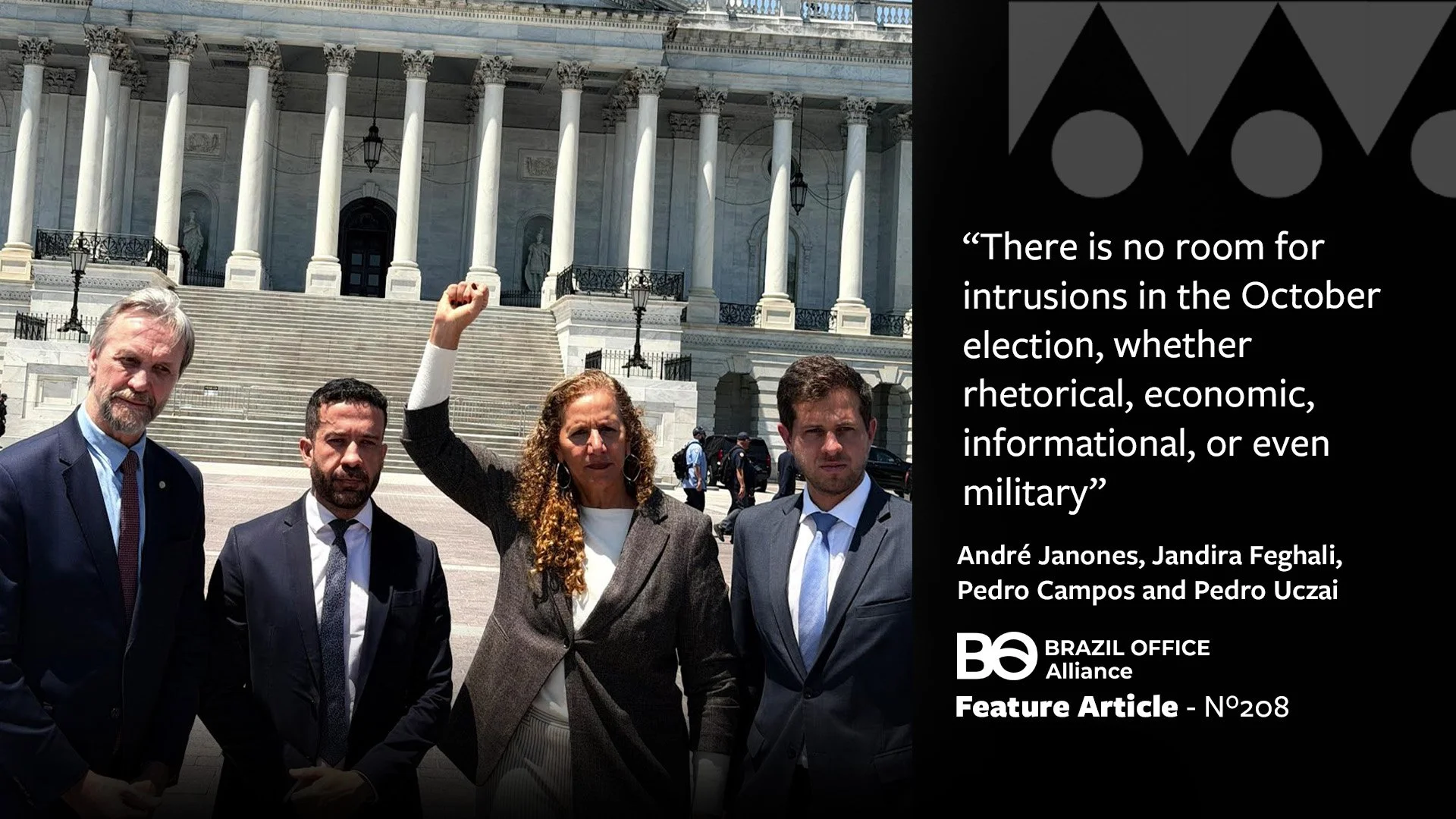
Why a Delegation of Party Leaders is Going to Washington
A delegation of party leaders from the government coalition is arriving in Washington to meet with members of the U,S. Congress, diplomats, international organizations, the Inter-American Human Rights System, journalists, academics, and local civil society organizations. In addition to informing and explaining the strengths of our democracy, the delegation will also deliver a clear message against any interference that may exist in the United States in relation to Brazil: there is no room for intrusions in the October election, whether rhetorical, economic, informational, or even military.
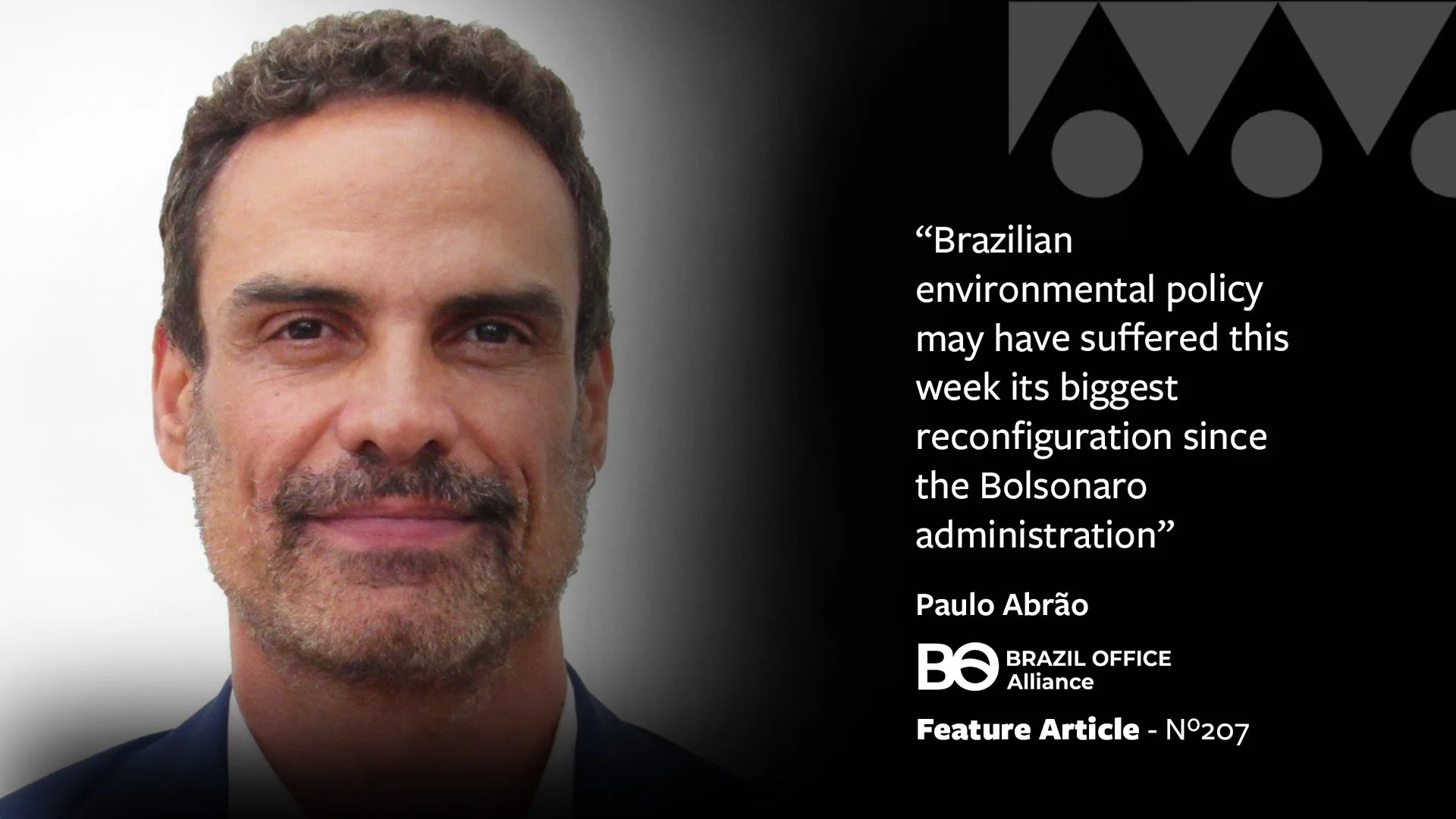
Setbacks in Environmental Legislation: The Paradox of the Brazilian Case
The coordinated offensive by the rural caucus in Brazil's National Congress this week perhaps represents one of the most significant institutional reconfigurations of Brazilian environmental policy since the Bolsonaro government. Under the guise of "modernization," "legal certainty," and "debureaucratization," a set of projects approved or accelerated by the Chamber of Deputies, the lower chamber of Congress, profoundly alters environmental oversight mechanisms, expands the political power of agribusiness over state regulatory structures, and reduces instruments for protecting strategic biomes.
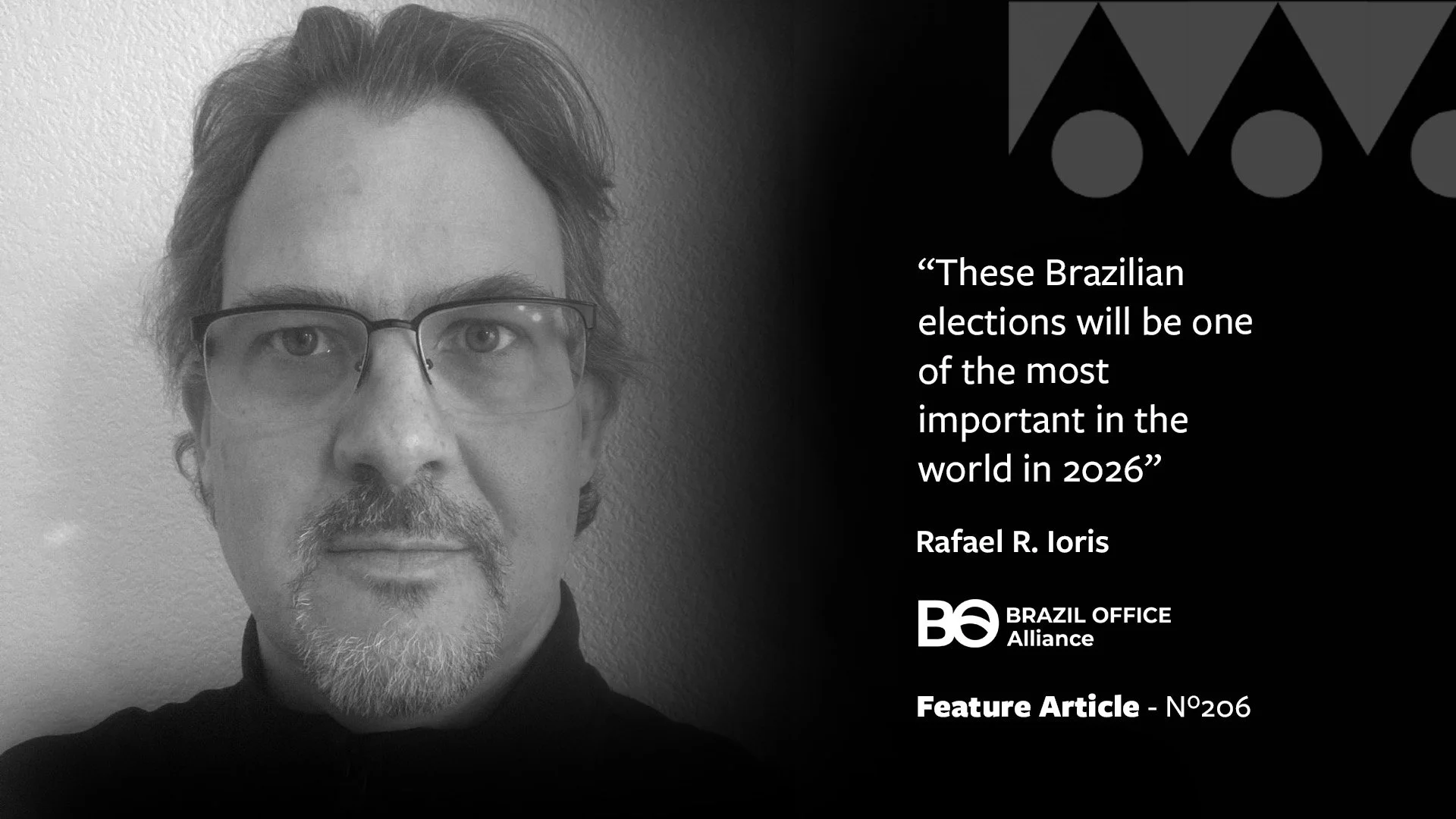
Brazil’s Upcoming Presidential Election: Features, Prospects, and Implications
In a few months, Brazil will hold what could prove to be one of its most consequential elections in recent history. Until last week, polls had consistently indicated a dead heat between sitting President Luiz Inácio Lula da Silva and Flávio Bolsonaro, former President Jair Bolsonaro’s oldest son and the caretaker of the extreme-right’s positions in the country. Recent revelations indicate that Flávio has had an on-going close relations with now disgraced and recently arrested former celebrity-banker Daniel Vorcaro, the owner of Master Bank and main figure in what could prove to be one of Brazil’s biggest financial corruption scandals. This seems to have tilted the scale in favor of Lula, at least for now. But, as the turbulent winds now favoring the democratic forces currently in power in the country could eventually blow in the opposite direction, it is important to understand the elements of the structural polarization that has helped define politics in Brazil for much of the last decade.
Brazil Under Pressure: The Risk of New U.S. Retaliation Has Never Been Higher
At the end of March at the 14th World Trade Organization (WTO) Ministerial Conference in Yaoundé, Cameroon, Brazil was the most forceful voice of resistance to the U.S. proposal to make permanent the moratorium on e-commerce, which had prohibited tariffs on streaming, software, and downloads since 1998. Lula maintained his position even under pressure, and the moratorium expired for the first time in 28 years. USTR Jamieson Greer, the main U.S. negotiator, warned at that time that there would be "natural consequences."
The Implications of the Lula-Trump Meeting on Brazilian Domestic Politics in an Election Year
Amid the presidential race and in the wake of bitter defeats in his relationship with Congress, President Lula da Silva set aside a few days in his agenda as president and pre-candidate for re-election to meet with Donald Trump in Washington on Thursday, May 7th. Unlike the numerous international trips Lula has undertaken throughout his term, the meeting with Trump is less about international relations and more about the electoral landscape that has been unfolding in recent months.
New Lula-Trump Meeting: A Strategic Test
The meeting between President Luiz Inácio Lula da Silva and President Donald Trump is far more than a diplomatic gesture: it represents a revealing moment in how the international order is being reshaped under growing tension.
Election Chess, Geopolitics, and the Real Game Behind the Dispute
The 2026 presidential election will be the most polarized confrontation since redemocratization. The clash is a referendum, with no competitive third option on the horizon: on one side, President Luiz Inácio Lula da Silva; on the other, Senator Flávio Bolsonaro.
But the chess game is much more complex. The real scenario involves economics, geopolitics, a war of narratives, digital platforms, and a series of external variables that could reshape the board.