
Bachelet at the UN
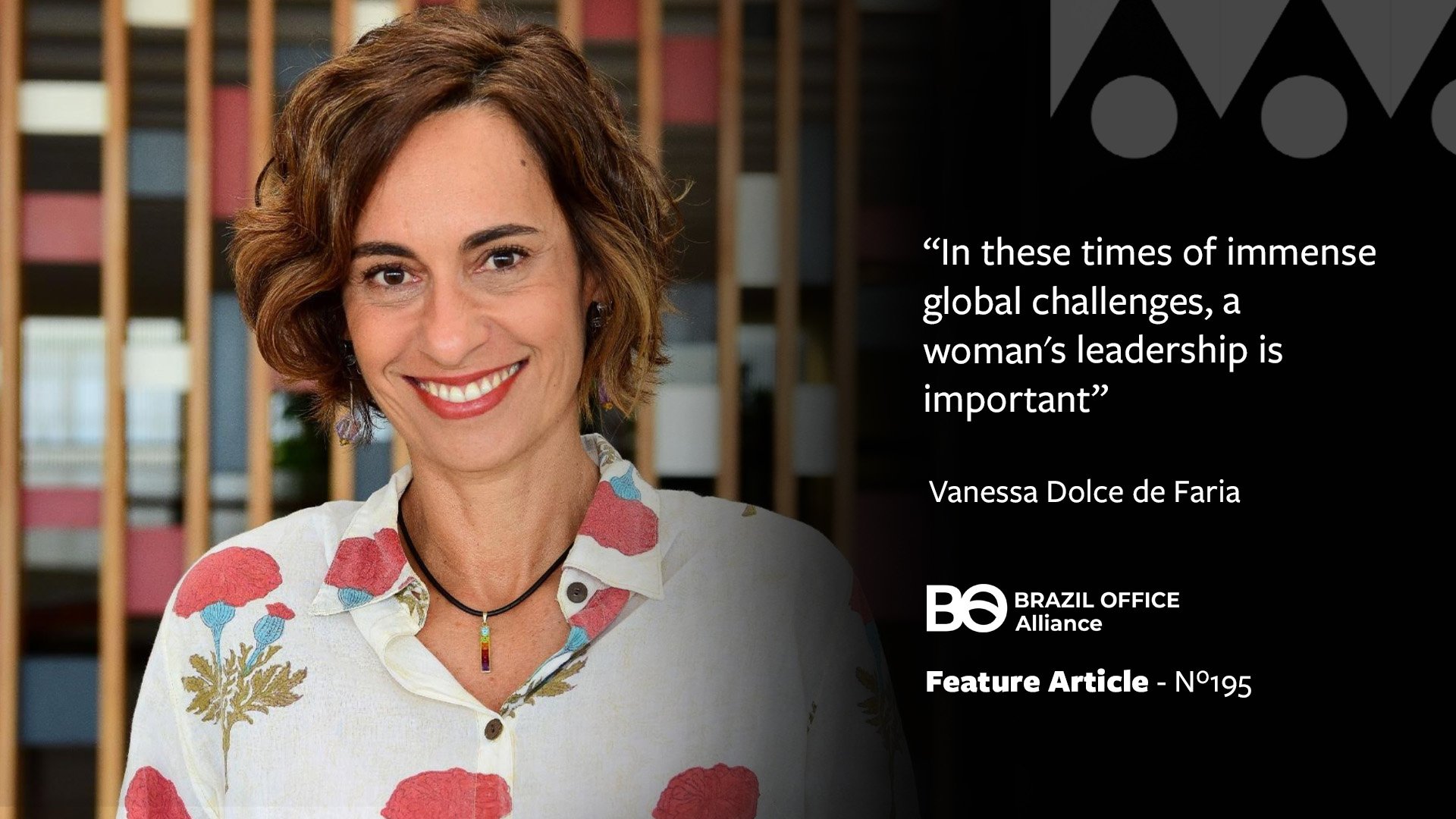
By Vanessa Dolce de Faria*
Just over 80 years ago, during the negotiations of the Charter of the United Nations in San Francisco (USA), a Brazilian woman – the only woman in our delegation – stood out in defending the inclusion of equality between men and women in the document that would become known as the "Constitution of the World".
Dr. Bertha Lutz's tenacity guaranteed – with the support of diplomats Minerva Bernardino (Dominican Republic), Isabel Pinto de Vidal (Uruguay) and Wu Yi-fang (China) – the inclusion of the desired equality in the preamble of the document, in addition to the mention in Article 8 of the Charter of the right of men and women to be equally eligible to participate at any level of the organization. That generation sought to reflect, on an international level, the battle being waged internally in different countries for the recognition of formal aspects of equality that had not yet been achieved, such as the right to vote and political participation.
Although more than eight decades have passed since this victory was formally won, the scenario of real participation of women in positions of power, including multilateral ones, is still far from any equality or parity. This is, without a doubt, a challenge of our time: that women occupy positions of power.
It is no longer acceptable that more than half of the population is still excluded from decision-making. It is, in fact, a matter of justice.
Beyond this aspect – at a time of so many international crises and conflicts, including within the multilateral system of rules and mechanisms created to address them – it is also about finally including the perspectives and voices that have been silenced and marginalized until now.
In the specific case of the United Nations (UN), there has never been a woman Secretary-General occupying the organization's highest position. The organization has, to date, been headed by nine men. In his opening speech at the 2024 UN General Assembly, Brazilian President Luiz Inácio Lula da Silva pointed to this absence, placing it among the factors that need reform within the institution.
For some years now, voices have been joining in this direction. The campaign for a woman Secretary-General of the UN, titled "Madam Secretary-General," launched by a platform of women who have already run for the position, has gained relevance and raised awareness.
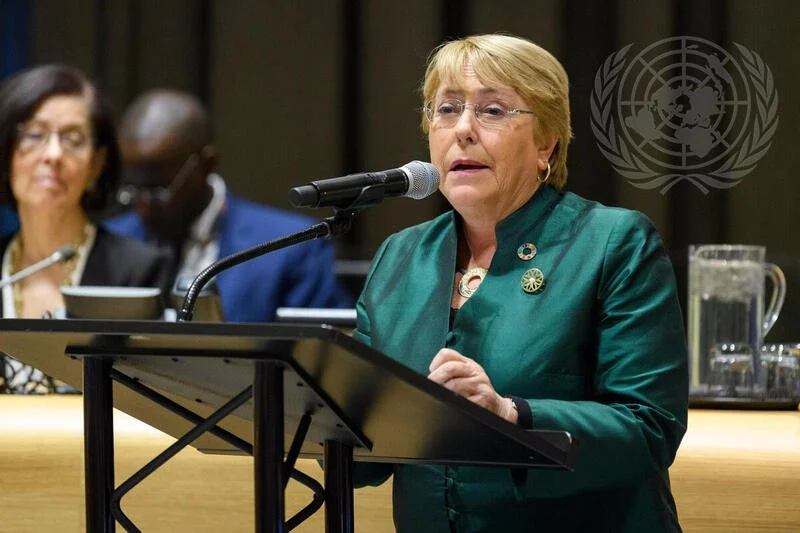
Brazil also understands that the time has come. On February 2nd, together with the governments of Chile and Mexico, we launched the candidacy of Michelle Bachelet for the post of UN Secretary-General.
Twice President of the Republic of Chile; Minister of State for Health and Defense of her country; Executive Director of UN Women; UN High Commissioner for Human Rights, wherever she has been, Bachelet has always maintained a commitment to promoting gender equality. Her resume overflows with experience and profound knowledge of the central themes that still form the pillars of the UN: peace and security, sustainable development, and human rights.
The fact that she has been head of state twice gives her access to presidents and global leaders, a trajectory confirmed by the international positions she has held, which have provided her with familiarity with the daily challenges of power. If all these objective qualities weren't enough, it will also be valuable to count on her personal qualities, such as her friendliness and simplicity, recognizable in her open smile, easy manner, and affection for everyone.
Another relevant aspect is the fact that the UN has not been headed by someone from Latin America since the Peruvian Javier Pérez de Cuéllar left the post 35 years ago. It is expected that the region will finally occupy the position again.
Much has been said about the anachronism of the UN Security Council, still restricted to only five permanent members with veto power (USA, Russia, China, France, and the United Kingdom), reflecting an anachronistic snapshot of geopolitical reality that disregards Latin America and Africa. A Latin American woman at the head of the organization also represents a sign of hope, a bet on renewal.
Finally, but no less importantly, a word should be said about the importance of projecting a woman's leadership at this time of immense global challenges. No woman will be able to solve so many problems or resolve all crises. But the challenges of multilateralism point to the need for renewal and inclusion, and with Bachelet we will be taking a historic step in that direction.
*Vanessa Dolce de Faria is the Brazilian ambassador and High Representative for Gender Issues at Itamaraty (Brazilian Ministry of Foreign Affairs).
