
2026: The World of Work on the International Agenda
By Fernanda Caldas Giorgi*
and Felipe Gomes da Silva Vasconcellos**
The beginning of the year is a propitious time for planning. At the Observatory on International Labor and Social Rights (ODTI), it couldn't be any different. Always driven by the purpose of promoting knowledge and information exchange about the world of work, we decided to explore what is on the international agenda for 2026 to refine our monitoring of pressing issues and our advocacy efforts.
Our list was compiled based on pre-established values and objectives, which can be summarized in the concept of the Human Right to decent and inclusive work, which is undeniably affected by technological advances and changes in the production system. It is, therefore, a snapshot of reality. As in every choice it implies the recognition that our outlook can be criticized and even improved. This is especially the case in times like these, when we witness the world in turmoil, constantly breaking with the paradigms of human and international relations.
Hence, we have taken the initiative to share our perception with you, the reader. It is an invitation to dialogue and, ultimately, to action, with active listening and a strong willingness to discuss the priorities of the world of work in 2026. Let's go.
The main themes of the world of work that will be on the international agenda in 2026 are:
Regulation of work in the platform economy;
Addressing informality;
Reduction of working hours;
Strengthening social dialogue and collective bargaining;
Mental health of workers;
Gender equality in the workplace;
Artificial intelligence;
Work and the environment, including just transition, health and safety, and sustainability;
Strikes under international labor standards.
1. Regulation of Labor in the Platform Economy
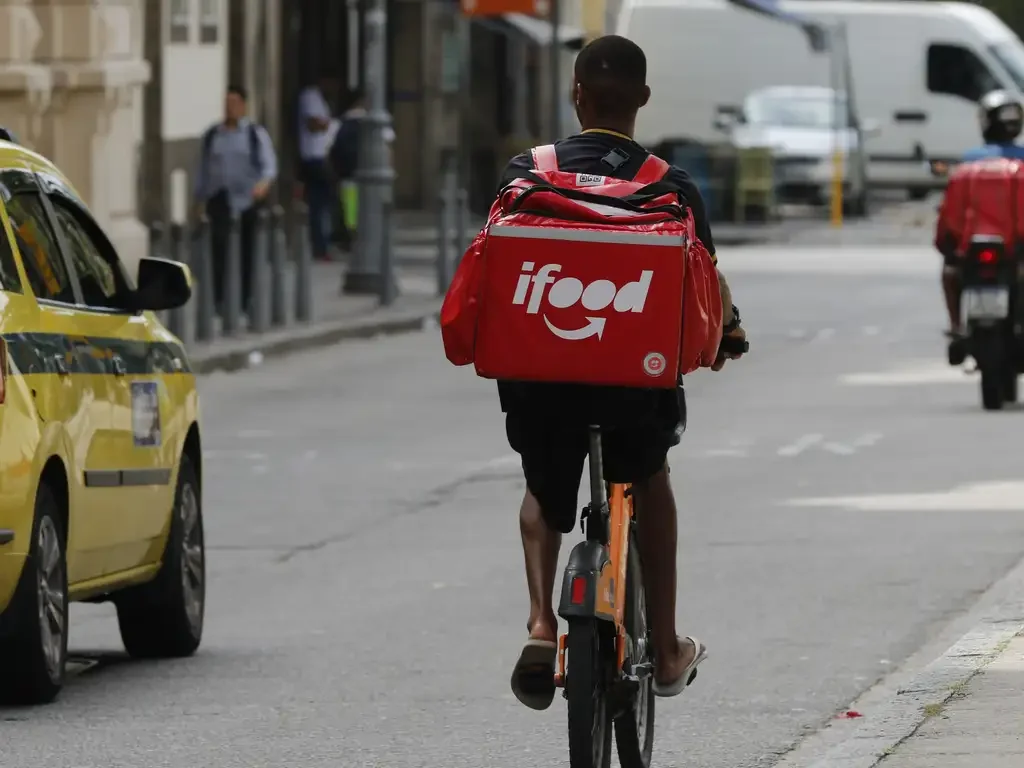
The growth of digital platforms, such as transportation and delivery apps, and the expansion of this business model to other economic sectors implies a labor scenario lacking adequate regulations. There is an initial debate about the classification of those who provide services mediated by digital platforms: are they employees or self-employed? This results in controversies regarding both the basic rights of these individuals and the responsibility of digital platforms towards them. Essentially, the issue raises concerns about precarious and exploitative labor, as well as the health and safety of society. After all, it affects not only those providing the services, but also the user population and public health facilities.
This novelty and controversy are the subject of nascent national legislation, whose content is not homogeneous and, therefore, does not allow for the prediction of a future trend. Sensitive to this phenomenon, the International Labour Organization (ILO) has placed the issue on the agenda with a view to developing an international labor standard, which should be finalized at the 114th International Labour Conference to be held in Geneva in June 2026. The ILO's tripartite structure, which includes social actors in the world of work from 187 countries, reinforces the relevance of this debate and its potential to guide the global regulation of this phenomenon, based on human dignity and social justice.
2. Addressing Informality
Following the discussions on the regulation of work in the platform economy, there is a global concern about addressing informality, which, according to a survey by the ILO, affects 60% of the global workforce. In 2025, the 113th International Labour Conference adopted a Resolution that focused on the transition from informality to formality, requesting the ILO office to develop a global roadmap aimed at expanding social protection and improving working conditions for informal sectors.
The centrality of this issue stems, in addition to the continuity of the work initiated at the 113th ILO Conference, from its intersection with several crucial themes for the world of work, such as the quality of work offered (stagnation of decent work); low productivity; poverty; gender inequality; and the impacts of artificial intelligence.
3. Reduction of working hours
Concern about the excessive number of working hours and the consequent risks to the health and safety of workers predates the creation of the ILO itself in 1919. Efforts to limit working hours are, therefore, centuries old, marked by national and international battles.
Within the ILO, the idea of controlling working and rest hours was adopted in the Preamble to its Constitution and later folded into several specific norms: C1 Convention on Working Hours (industry), 1919; C30 Convention on working hours (commerce and workshops), 1930; C47 Convention on forty hours, 1935; R116 Recommendation on reducing working hours, 1962; C14 Convention on weekly rest (industry), 1921; C106 Convention on weekly rest (commerce and workshops), 1957; C132 Convention on paid vacations (revised), 1970; C171 Convention on night work, 1990; C175 Convention on part-time work, 1994; R165 Recommendation on workers with family responsibilities, 1981; and Tripartite declaration of principles regarding multinational companies and social policy.
Among the international labor standards listed above, it is worth highlighting Recommendation No. 116 of 1962, which proposes that member countries assess the possibility of reducing the working week to 40 hours, in order to safeguard health and safety at work and to balance family, personal, and work time.
Despite the topic's long history, the debates are ongoing. The idea of continuing to reduce working hours, especially to four days a week (32-36 hours) without a pay cut, is a growing trend worldwide, driven by increased productivity, the use of technology, and a focus on post-pandemic mental health. Countries such as Iceland, France, the United Kingdom, and Japan have already tested the model, with pilot experiences showing maintained or increased productivity, as well as greater worker satisfaction.
The issue, however, is not settled, weighing improved quality of life and mental health, reduced absenteeism, and increased productivity per hour worked against increased operational costs and difficulties in adapting in specific sectors. Local discussions and experiences continue, putting pressure on the international community to take a position.
4. Strengthening Social Dialogue and Collective Bargaining
Social dialogue and collective bargaining form the framework of fundamental labor principles, having been enshrined in international norms as cornerstones of strong and democratic labor relations. They are a crucial tool for achieving social justice, contributing not only to reducing inequalities but also to fostering inclusive and sustainable economic growth. Their usefulness is reinforced in times of crisis, when resilience is required to face economic and social challenges, as illustrated by data relating to the 2008 financial crisis and the 2020 health crisis.
There is growing support in the international community for the promotion of social dialogue and collective bargaining, as evidenced by declarations, commitments, and studies from organizations such as the G7, the G20, the OECD, and the World Bank.
In 2023, the ILO Governing Body designed an integrated strategy for promoting and implementing the right to collective bargaining, which included the following measures:
Increasing the coherence and effectiveness of ILO action on collective bargaining;
Strengthening the capacity to formulate coherent policies in the multilateral system;
Supporting legal reforms through technical assistance to governments and workers' and employers' organizations;
Capacity building for public authorities and institutions to promote collective bargaining;
Developing evidence-based studies on the benefits of collective bargaining;
Expanding quantitative and qualitative databases related to labor relations;
Integrating the right to collective bargaining into the activities of the multilateral system to achieve the Sustainable Development Goals.
This strategy is being monitored, and progress reports are submitted to the Governing Body annually. In 2026, the recurring debate on social dialogue at the International Labour Conference will provide further guidance to refine the strategy.
5. Mental Health of Workers
Prioritizing mental health on the international labor agenda for 2026 is crucial due to its impact on worker productivity and, consequently, on overall economic performance. The World Health Organization (WHO) estimates that depression and anxiety disorders cost the global economy approximately US$1 trillion per year in lost productivity. Therefore, integrating mental health initiatives into labor policies means not only improving the well-being of workers but also mitigating substantial economic losses. For this reason, the WHO affirms that mental health is a fundamental human right and an essential factor for sustainable development.
The ILO, in turn, emphasizes the need to address workplace stress and mental health challenges, especially after the COVID-19 pandemic. (Studies indicate that the health crisis intensified mental health problems among the working class). The ILO advocates that safe and healthy work environments encompass mental well-being and, therefore, proposes the adoption of measures that include stress management, addressing violence, and establishing support systems. Addressing mental health is essential for establishing healthy workplaces, reducing absenteeism, and motivating and engaging workers.
Prioritizing mental health aligns with the Sustainable Development Goals (SDGs), particularly Goal 3 (Good Health and Well-being) and Goal 8 (Decent Work and Economic Growth). The ILO explicitly connects social protection and decent work to improved mental health outcomes, indicating that inclusive and supportive labor practices are fundamental to achieving broader health goals. Strengthening mental health support can help vulnerable populations, including those in precarious employment, thus promoting equity and social justice in the labor market.
Promoting a culture of dialogue and collaboration around mental health can increase social cohesion in workplaces and forge a resilient working class capable of thriving in a constantly evolving global landscape (technological advances and new production models). The ILO and WHO advocate for tripartite cooperation between governments, employers, and workers to effectively address mental health challenges through capacity building, awareness-raising, and early intervention.
6. Gender Equality at Work
Gender equality is also on the agenda of the 114th International Labour Conference (ILC), specifically addressing persistent disparities between men and women in the workplace, the gender pay gap, the (de)valuation of care work, and the need for a transformative, inclusive, and human-centered approach to work. Including this theme in the 2026 Conference is essential to accelerating progress towards SDGs 5 and 8, reducing violence, and guaranteeing women's rights in the growing platform economy.
Recognizing the slow progress and persistence of gender inequalities is indispensable for rethinking the status quo and consequently adopting new strategies aimed at equity in the world of work.
Gender equality is a fundamental human right essential for economic growth, productivity, and social justice, and, therefore, the international commitment to this agenda needs to be constantly renewed and reinforced. In this sense, its inclusion on the agenda of the 114th ILO Conference is aligned with the ILO's Strategic Plan 2026-2029, which seeks to “develop legal, political and institutional frameworks focused on equality and inclusion; strengthen the representation of women in decision-making processes; improve care services, infrastructure and working conditions for care professionals; reduce the gender pay gap; and end violence and harassment in the world of work.”
7. Artificial Intelligence and the World of Work
The incorporation of artificial intelligence (AI) and algorithmic systems into the world of work constitutes one of the central phenomena of the current phase of capitalist transformation, marked by digitalization, advanced automation, and the intensification of data use.
AI is not limited to the mechanization of repetitive tasks, but can reach cognitive, decision-making and supervisory activities, which tends to produce profound impacts on employment, work organization, and collective relations.
The protection of personal data and algorithmic governance play a central role in this context, given the massive and continuous collection of information about workers, including behavioral and biometric data. The legal protection of AI-mediated work demands clear limits on data processing, as well as guarantees of transparency, contestation, and human supervision of automated decisions that affect access to employment, job security, and working conditions.
Collective bargaining will continue to be an important instrument for the democratic control of the use of technologies in the workplace. Union action allows for the establishment of limits to automation, the demand for algorithmic transparency, and the protection of fundamental rights, articulating technological innovation and social justice.
8. Climate Change and Labor Relations
Climate change and the work environment should remain on the international labor agenda in 2026, with the institutional developments of the Belém Action Mechanism (BAM), approved at COP30, on the one hand, and the impacts of extreme weather events, on the other.
The incorporation of the labor dimension and the international trade union movement into the global climate governance foreseen in the BAM is a relevant turning point for the protection of decent work and the promotion of social justice in the context of the ecological transition.
In turn, the intensification of the effects of climate change on the world of work, particularly heat stress, extreme weather events, and forced displacement, poses significant challenges for the trade union movement.
Collective bargaining could be a key instrument this year to ensure a just transition in strategic sectors of the economy, focusing on reducing inequalities, creating decent jobs, and protecting the places where people live.
9. Right to Strike
The right to strike is expected to occupy a central position on the international labor agenda in 2026, especially due to the expectation of an advisory opinion on the subject from the International Court of Justice. The referral of the controversy to the ICJ by the ILO Governing Body in 2023 represents a significant institutional milestone in the historical dispute over the normative scope of freedom of association in relation to the right to strike and the interpretation of ILO Convention No. 87.
The ICJ's pronouncement has the potential to produce significant legal effects, ending a conflict that has partially paralyzed the activities of the Committee on Freedom of Association on this issue since 2012.
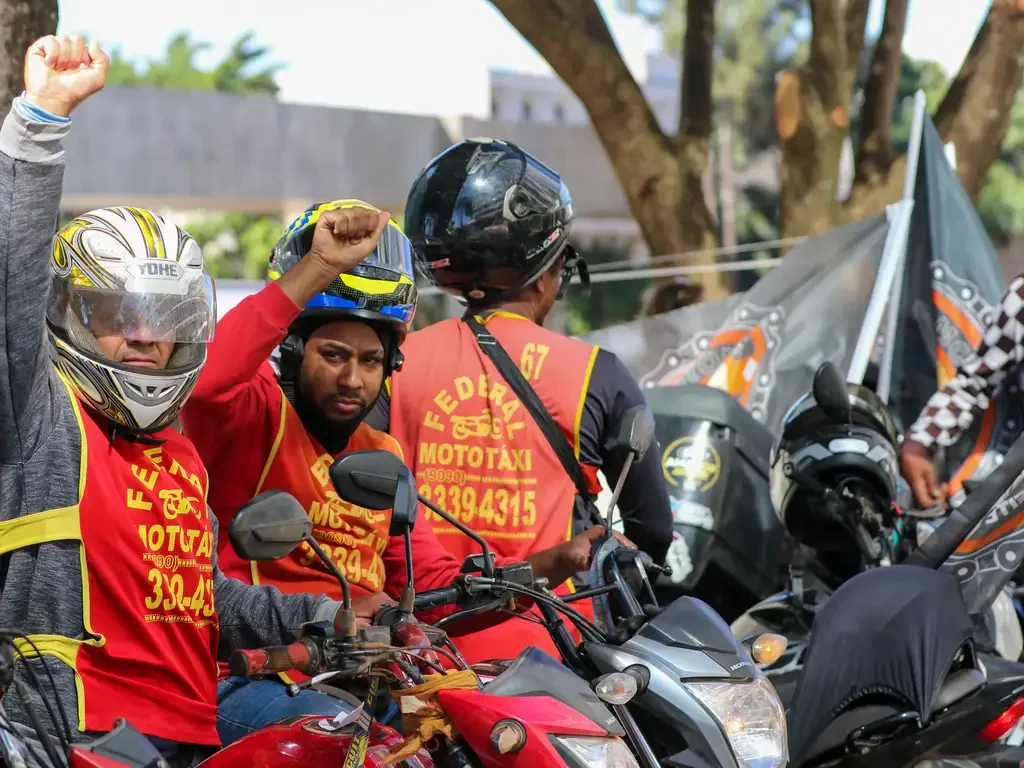
This debate gains political weight in a context of intensified conflicts and deepening social inequalities on a global scale. The reconfiguration of capitalism on bases marked by precarious labor conditions, digital platform companies, and the weakening of trade union organizations and collective bargaining has led to an increase in mobilizations and strikes.
In this scenario, the right to strike reappears not only as a classic instrument of collective action, but also as a mechanism for containing structural power asymmetries, which tends to once again place it at the center of discussions about democracy, social justice, and the effectiveness of human rights.
*Fernanda Caldas Giorgi is a Partner at LBS Advogadas e Advogados and Director of the Instituto Lavoro. She is a specialist in Labor Human Rights and Transnational Labor Law from the University of Castilla-La Mancha.
**Felipe Gomes da Silva Vasconcellos is a Partner at LBS Advogadas e Advogados and a member of the Instituto Lavoro. He holds a Masters in Labor Law and Social Security from the University of São Paulo, a Masters cum laude in International and European Human Rights Law from Leiden University, and is a specialist in Labor Human Rights, Transnational Companies and Due Diligence from the University of Castilla-La Mancha. In addition, he is professor of graduate studies at Mackenzie Presbyterian University
