
Training Strengthens Brazilian LGBTQI+ Organizations for International Human Rights Engagement
Press release
Sep 23 2026
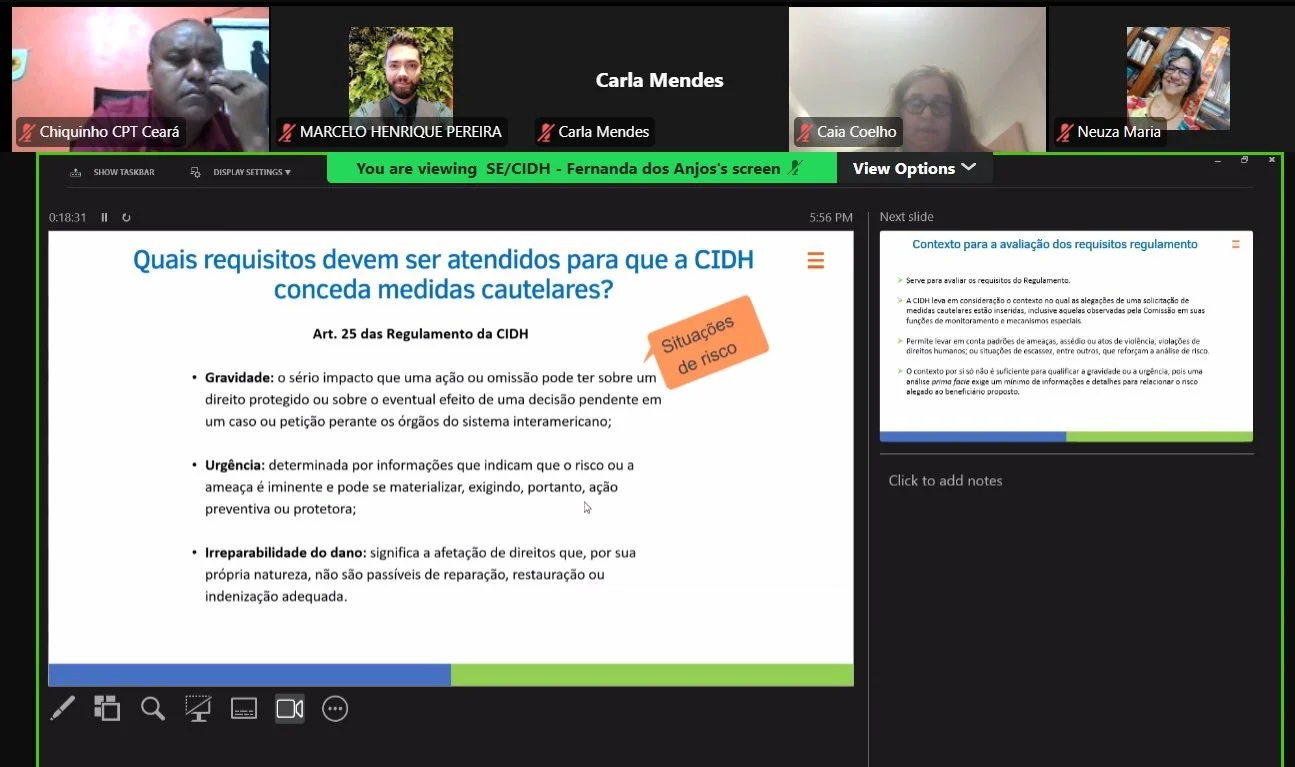
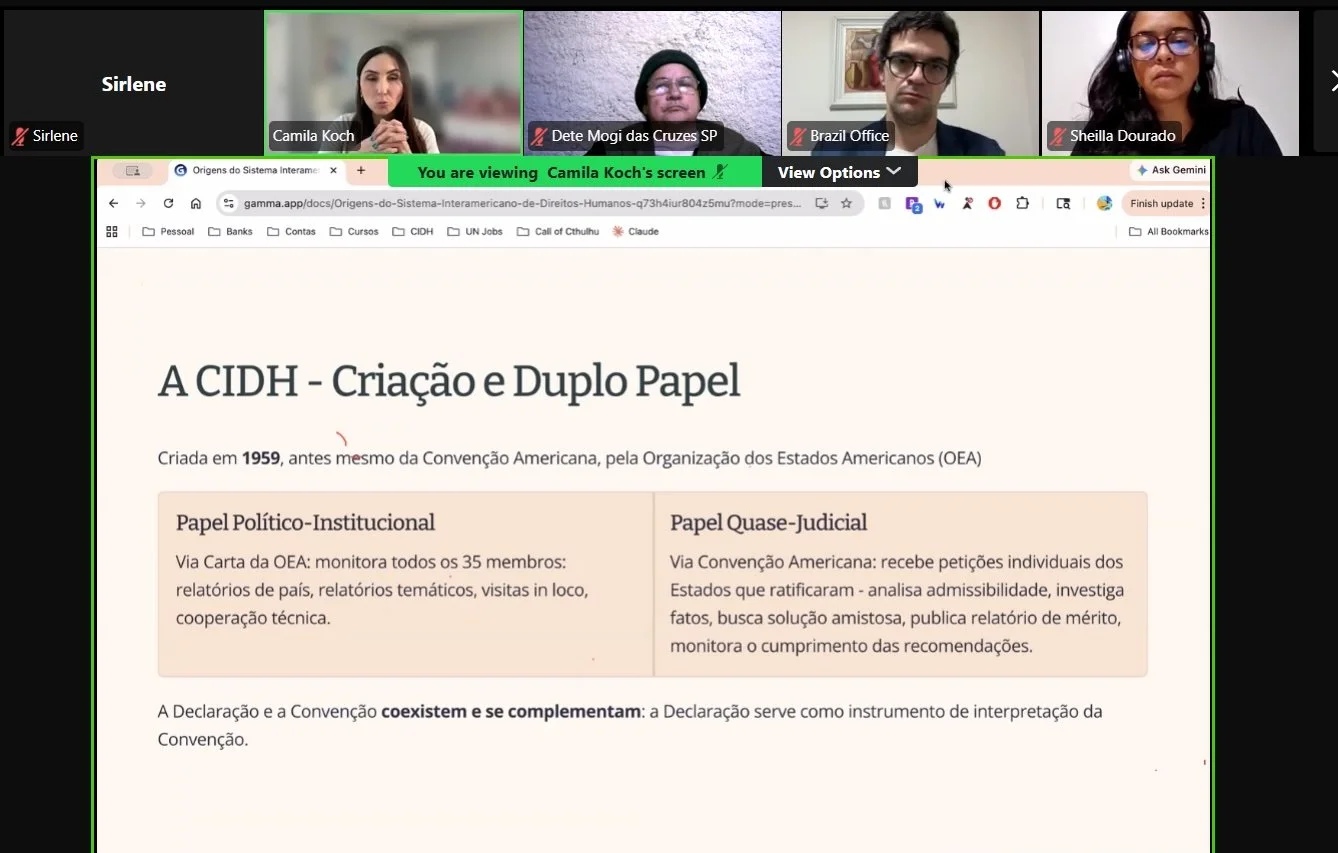
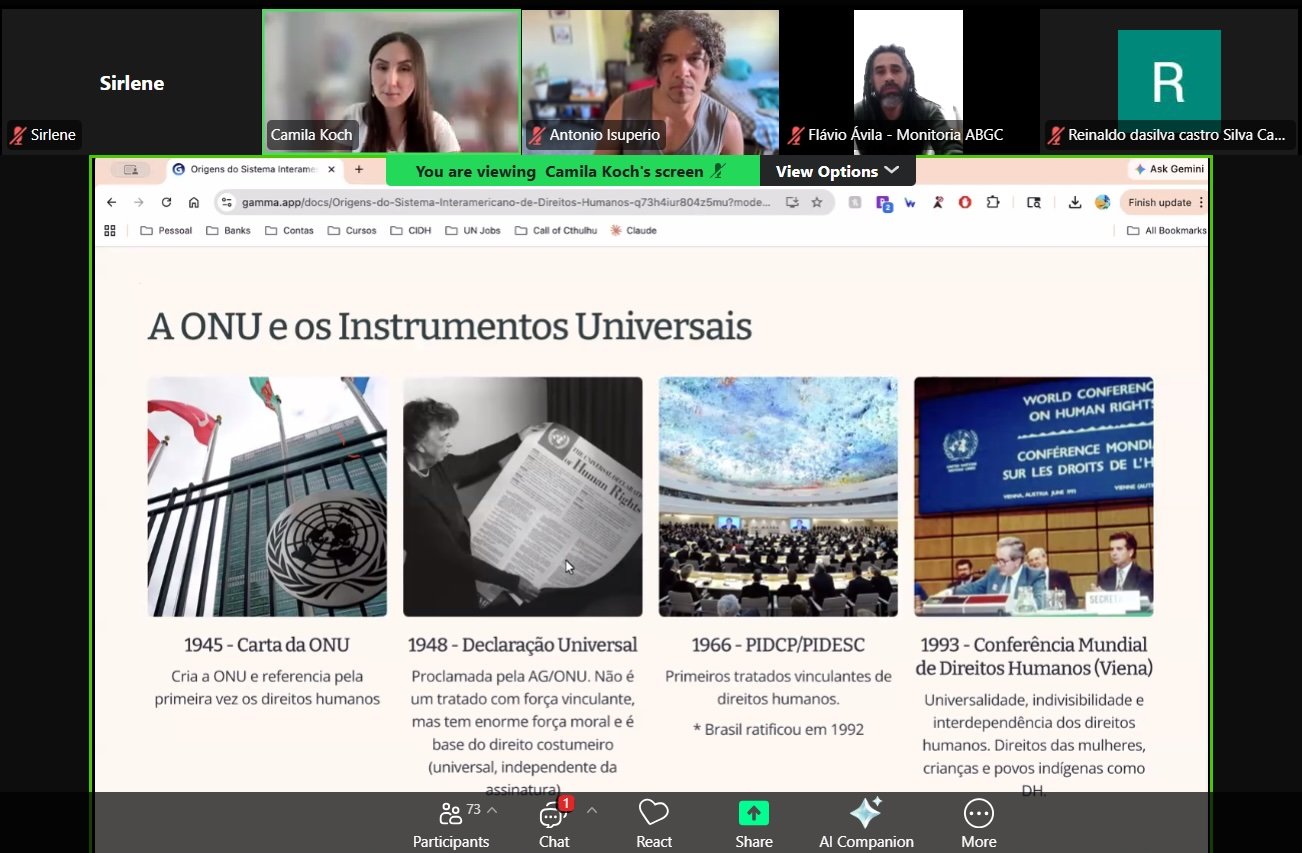
The course strengthens leaders, activists, and organizations to use OAS and UN mechanisms in strategies for protection, reporting violations, and public participation.
Leaders, activists, students, and representatives of LGBTQI+ organizations from across Brazil are participating in a training program promoted by the Washington Brazil Office (WBO), focused on using international human rights protection systems. The initiative seeks to bring the mechanisms of the Inter-American Human Rights System (IAHRS) and the United Nations human rights system closer to the concrete experiences of those working to defend the rights of LGBTQI+ people in Brazil, expanding the tools available for their engagement at both national and international levels.
The training takes place amid persistent challenges. Violence, discrimination, and barriers to access to justice, health care, education, employment, and political participation continue to affect the lives of LGBTQI+ people, particularly when these violations intersect with racism, territorial inequalities, poverty, and other forms of exclusion.
In this context, understanding international human rights systems goes beyond mastering rules and procedures. It also strengthens organizations' and leaders' capacity to turn reports of violations, community experiences, and longstanding demands into strategies for protection, accountability, and participation in public debate and decision-making.
The course bridges the gap between international human rights mechanisms and the day-to-day work of social movements. Rather than presenting the IACHR, the Inter-American Court of Human Rights, and the United Nations as institutions accessible only to specialists, the training provides practical pathways for leaders and organizations to understand when, how, and why to use these mechanisms.
For Luis Fernando Bartel, a participant in the training, the course has broadened his understanding of human rights and international mechanisms for protecting LGBTQI+ people.
“Taking part in the training has broadened my perspective on human rights and, especially, on international mechanisms for the protection of LGBTQI+ people, providing knowledge that strengthens my work and my commitment to promoting rights, diversity, and equality,” Bartel said.
As an LGBTQIA+ person and legal professional, Bartel also emphasizes the importance of understanding these mechanisms in situations where State responses are insufficient or when public authorities themselves are responsible for rights violations.
“I know that the training will provide us with tools to ensure the realization of our rights, even when the State fails to provide the means to do so, or even when the State itself violates our rights,” he added.
The classes covered the main mechanisms of the Inter-American Human Rights System, including the Inter-American Commission and Court of Human Rights, precautionary and provisional measures, individual petitions, friendly settlements, monitoring, technical cooperation, Inter-American standards on LGBTQI+ rights, and intersectionality.
The training also addressed the United Nations human rights system, including the UN Human Rights Council and the UN treaty bodies.
The course content engages with key concerns on the LGBTQI+ rights agenda, including institutional violence, hate speech, discriminatory practices, unequal access to public policies and services, and violations related to sexual orientation, gender identity and expression, and sex characteristics. The training aims to give participants the tools to analyze, document, and present these violations using a human rights framework and language.
For Antonio Isuperio, a human rights professional and project manager, the course directly shaped his understanding of the mechanisms available to protect LGBTQI+ people.
“It was very important to participate in the training course on the Inter-American Human Rights System for LGBTQIA+ people. Although I already had some familiarity with the subject and the organizations presented, the training significantly expanded my understanding of the existing protection mechanisms and will undoubtedly further strengthen my work in the defense of human rights,” Isuperio said.
Throughout the training, at least 60 people were directly reached through the activities, including leaders, activists, students, and representatives of organizations working to defend the rights of LGBTQI+ people in Brazil. This figure reflects both the initiative’s reach and these actors' interest in deepening their knowledge of international human rights systems and expanding their ability to engage with these mechanisms.
More than presenting rules and procedures, the training strengthens the political and technical foundations that enable the Brazilian LGBTQI+ movement to engage in international spaces with greater autonomy, preparation, and coordination capacity. By bringing specialized knowledge closer to experiences built within communities and territories, the course helps create stronger conditions for transforming rights violations into well-documented complaints, demands into concrete strategies for action, and social participation into a stronger presence within international human rights mechanisms.
