
Beyond Forests: The Cerrado and Caatinga Caught Between the Ballot Box and Antalya, Turkey
By Flávia do Amaral Vieira*
Land-use change is a primary driver of the climate crisis: converting native vegetation to agriculture, livestock, and infrastructure not only releases greenhouse gases but also reduces ecosystems' carbon-absorption capacity, compromises biodiversity, and intensifies pressure on the territories and livelihoods of traditional peoples and communities. In Brazil, where this dynamic accounts for a significant share of national emissions, addressing it has become central to the international climate agenda that seeks to curb deforestation, mobilize conservation resources, and drive changes in supply chains. However, this agenda focused primarily on forests, often sidelining other ecosystems like the Cerrado and Caatinga. Savanna, grassland, and semi-arid formations do not necessarily fit the definitions of "forest" used in international instruments.
Together, these two biomes cover about a third of the country and face mounting pressure from agricultural and energy expansion. Yet, they remain largely excluded from international protection and financing mechanisms. This gap is all the more concerning given the results of the 2026 legislative elections, which point to a Congress more hostile toward the environmental and climate agenda, thereby increasing the risk of legislative rollbacks and the weakening of environmental protection, licensing, and enforcement mechanisms. As COP31 approaches, the challenge is immense: expand the scope of international commitments beyond forests and prevent the erosion of domestic safeguards, which would further increase the vulnerability of these biomes and the communities that inhabit them.
A Forest-centered Climate Agenda
COP30 has advanced this agenda with a roadmap to halt deforestation and a new forest-focused fund. The COP30 presidency’s roadmap, set to be presented in Antalya, addresses the forest-related paragraphs of the first Global Stocktake. The Tropical Forests Forever Facility (TFFF), launched in Belém, provides compensation for maintaining tropical forests.
Outside the COP process, the European Union Deforestation Regulation (EUDR)—mandatory for large companies starting in December—adopts the United Nations Food and Agriculture Organization’s definition of a forest. It excludes savannas, grasslands, and wetlands, leaving about three-quarters of the Cerrado uncovered. Yet land conversion has concentrated here: according to MapBiomas, the Cerrado accounted for 55% of Brazil’s deforested area in 2025—the third consecutive year. The biome has also been a focal point for rural violence; in the first half of 2026 alone, the Pastoral Land Commission (CPT) recorded 306 conflicts within the biome’s territories, 261 of which were land-related. The result is perverse: pressure contained in the Amazon may shift to areas beyond these regulations' reach, intensifying strains on native vegetation, territories, and the peoples and communities inhabiting them.
An Energy Transition Detached from Just Transition Processes
The Caatinga biome reveals a second blind spot. The semi-arid region’s wind and solar potential has driven the expansion of these energy sources—as well as land conflicts. Many of these disputes stem from a lack of free, prior, and informed consultation, unbalanced lease agreements, the clearing of native vegetation, and licensing failures—issues local communities frequently denounce. This process can be understood as a form of accumulation by dispossession: by linking the harnessing of wind power to land control, the expansion of wind energy turns the wind into a commodity tied to land ownership and—through asymmetrical lease agreements—reproduces the territorial appropriation characteristic of the agricultural frontier. According to MapBiomas, land clearing for renewable energy projects has encroached on the biome's best-preserved remaining areas.
At the international level, the transition is still discussed in terms of gigawatts rather than territories and the people who inhabit them. The Brazilian presidency’s other agenda item—moving away from fossil fuels—will only be just if it incorporates territorial disputes and the guarantee of rights.
Congress Opposes the Environmental and Climate Agenda.
The October 4 election results exacerbated these shortcomings. According to the Climate Observatory, lawmakers with low or very low alignment with environmental agendas will hold 68.9% of the seats in the upcoming legislative session. In the Senate, that figure is 64 out of 81. This legislature inherits proposals to relax the Forest Code, weaken remote-sensing-based sanctions, and facilitate the regularization of illegally seized land—a set of measures dubbed the "Package of Destruction." The Cerrado is particularly vulnerable: outside the Legal Amazon, the Forest Code mandates a "legal reserve" of only 20%, and the majority of the remaining vegetation lies on private property. Meanwhile, the prospect of passing PEC 504/2010—a proposed constitutional amendment recognizing the Cerrado and Caatinga as national heritage sites—has grown more distant given the Senate's current composition.
Protecting Biomes as an International Obligation
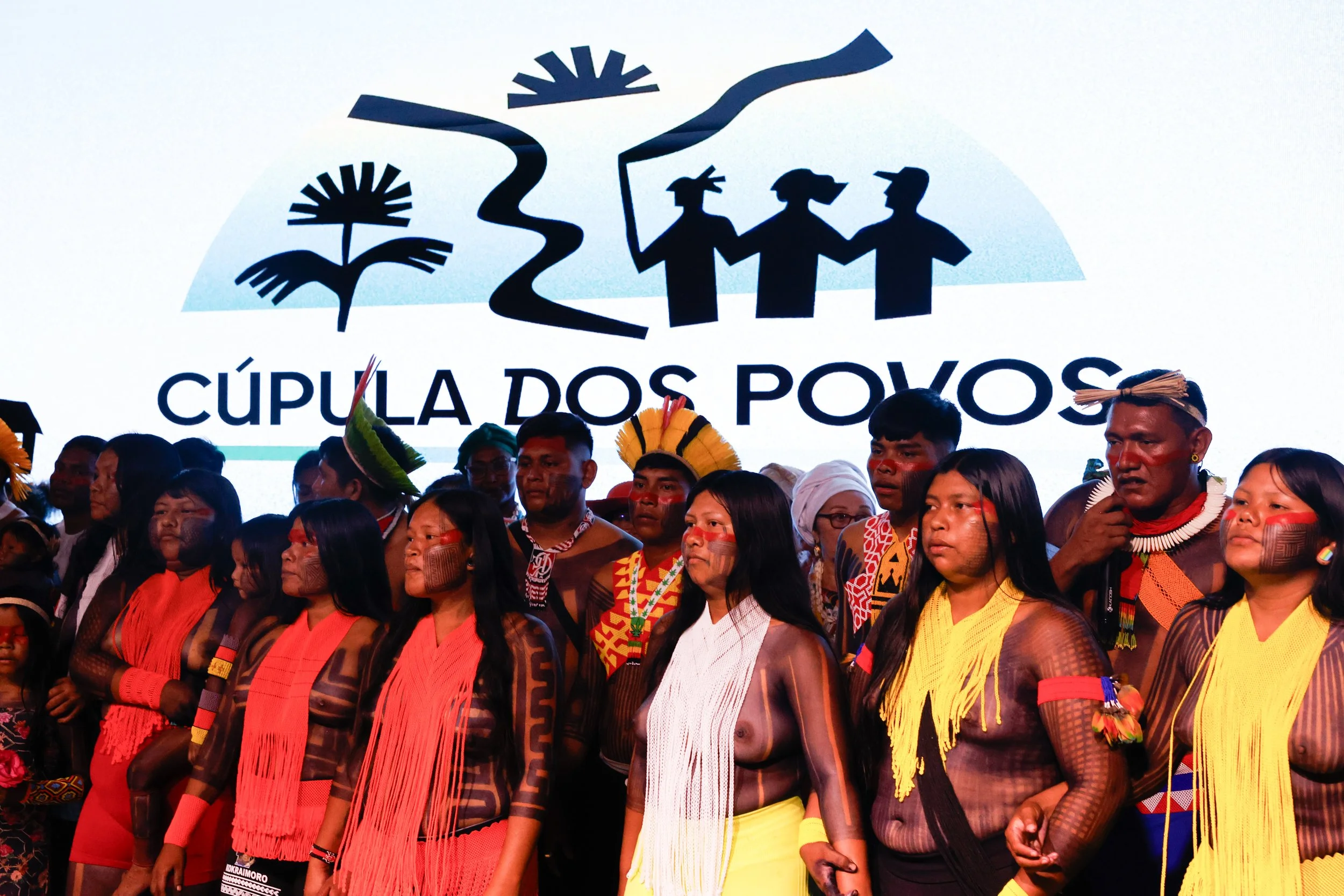
In 2025, two advisory opinions from international courts set new parameters for climate governance and the protection of human rights amid the climate crisis. The Inter-American Court of Human Rights (OC-32/25) recognized the human right to a healthy climate and affirmed obligations regarding due diligence, assessing project-related climate impacts, and the special protection of environmental defenders. The International Court of Justice followed a similar path at the global level by affirming the obligation to prevent significant environmental damage. For geraizeiros, fundo e fecho de pasto communities, quilombolas, and Indigenous peoples of the Cerrado and Caatinga, these advisory opinions provide legal grounds to demand that climate protection efforts also take into account the rights of those living in these territories. In this context, ratifying the Escazú Agreement, currently under consideration in Congress, would strengthen access to information, public participation, and environmental justice.
Beyond Forests: The Challenge in Antalya
COP31 could make progress on two fronts. The first is political: the roadmap must address "deforestation and the conversion of native vegetation," not just forests. The second is financial: create conservation and adaptation mechanisms that recognize the unique characteristics of different ecosystems and secure resources to protect them. For a country that ended 2025 with record agricultural exports, this is also a matter of market access. In Antalya, Turkey, the challenge is ensuring that international climate protection commitments and mechanisms include the Cerrado and Caatinga biomes.
*Flávia do Amaral Vieira is a Senior Project Consultant at LACLIMA and a Research Fellow at the Washington Brazil Office. She holds a doctorate in Law from UFPA.
