
New Lula-Trump Meeting: A Strategic Test
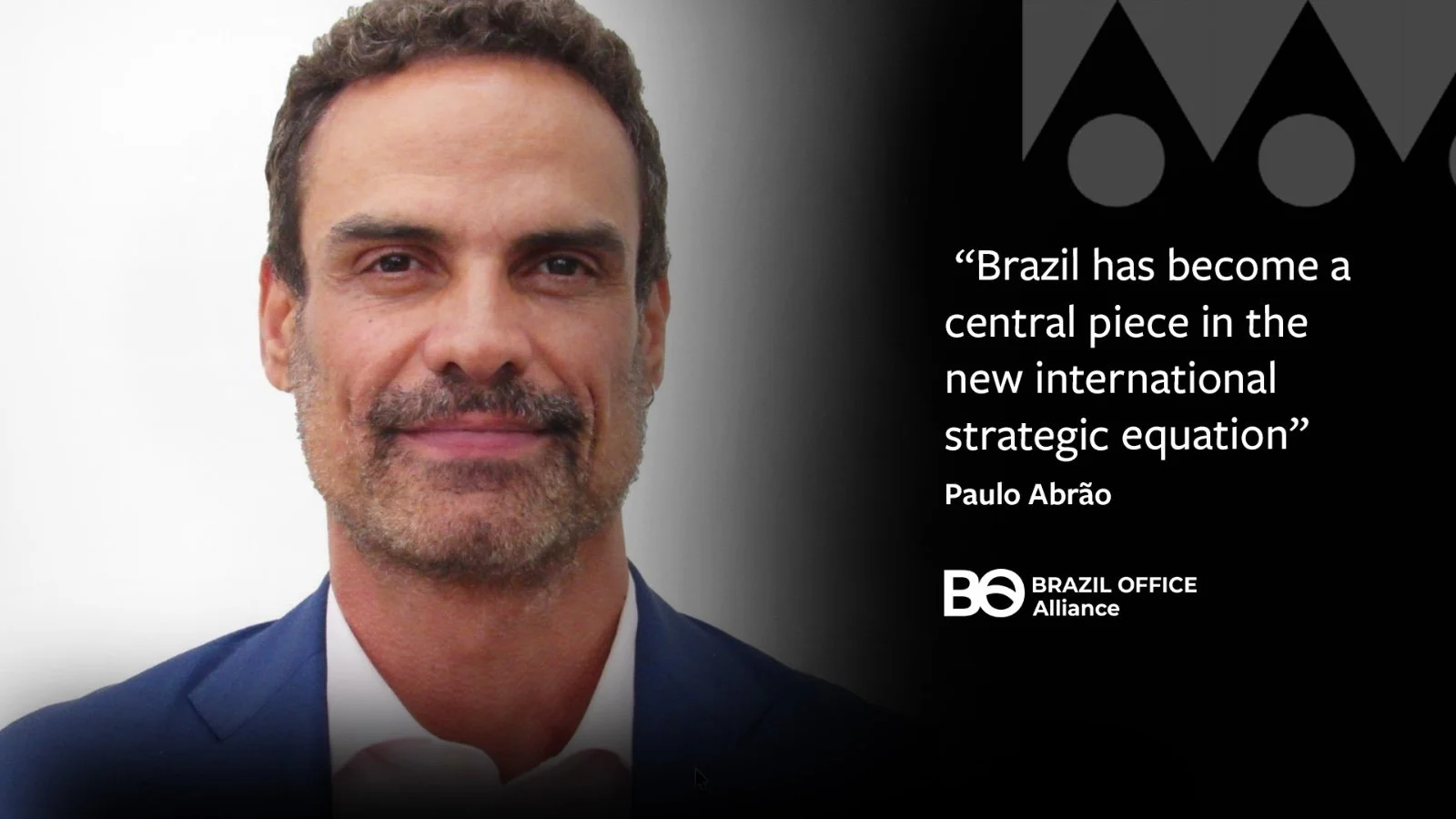
By Paulo Abrão*
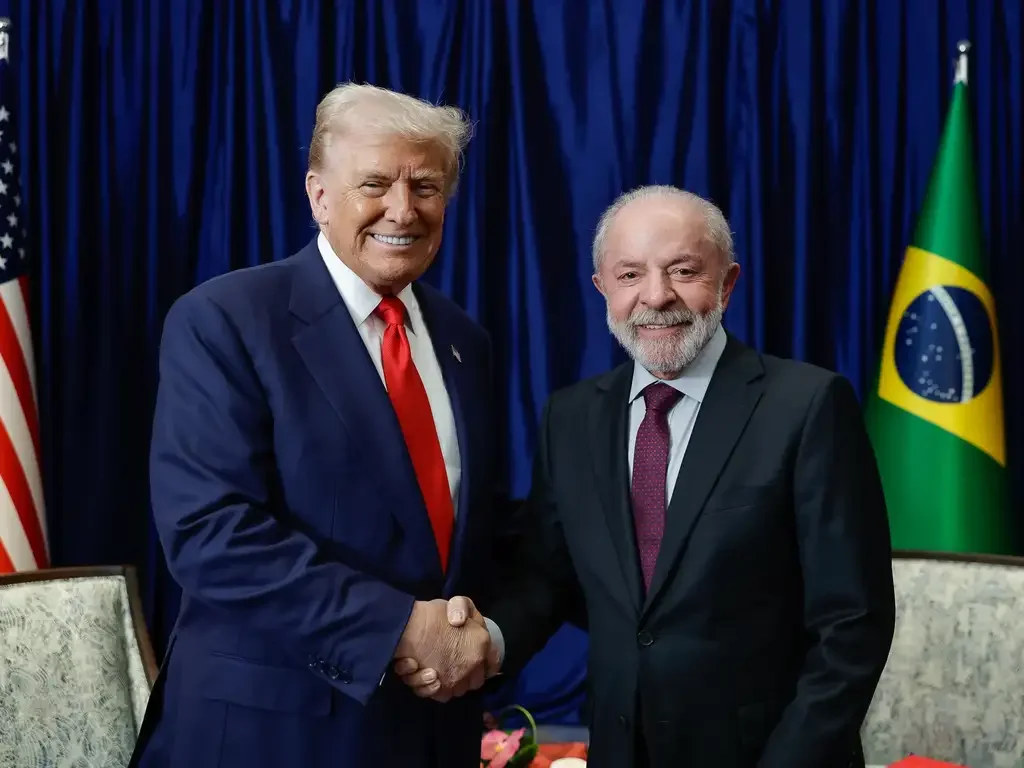
The meeting between President Luiz Inácio Lula da Silva and President Donald Trump is far more than a diplomatic gesture: it represents a revealing moment in how the international order is being reshaped under growing tension.
In Washington, perceptions of Brazil have changed significantly. The country is no longer viewed merely as a regional power, but increasingly as a strategic actor in global disputes. Analysts from institutions such as the Council on Foreign Relations and the Brookings Institution emphasize that countries like Brazil now occupy a central position in supply chains, the energy transition, and geopolitical realignments.
That is what gives the Lula-Trump meeting relevance beyond the officially announced agenda.
At the center lies a structural tension. Lula’s foreign policy seeks to restore Brazil’s tradition of strategic autonomy, engaging with different centers of power, deepening ties with China, and strengthening platforms such as BRICS. Trump, by contrast, tends to operate from a different logic: transactional diplomacy, economic pressure, and alignment under the “America First” framework.
This divergence will not necessarily produce open confrontation, but it will define the limits of cooperation.
One of the central issues is the growing role of critical minerals. Brazil holds significant reserves of resources essential for the energy transition and the technological industry. For the United States, reducing dependence on China has become a strategic priority. For Brazil, the challenge is to transform this advantage into development without compromising sovereignty. This asymmetry is likely to shape outcomes more than official speeches.
Another issue that may gain relevance behind closed doors is the possible use by the United States of the Section 301 of the U.S. Trade Act as an instrument of economic and strategic pressure on Brazil. A Trump administration is likely to privilege coercive tools and asymmetrical bilateral negotiations as a way of repositioning U.S. economic interests. For Brazil, the risk would be seeing trade disputes involving tariffs, closer ties with China, regulation of digital platforms, and access to critical minerals gradually incorporated into a broader logic of geopolitical competition and strategic alignment. This helps explain Brasília’s caution in preserving stable diplomatic channels with Washington while refusing to abandon its strategic autonomy and its ability to maintain simultaneous relations with China, Europe, and the Global South.
Another sensitive issue is BRICS. Discussions about alternative financial mechanisms and reducing dependence on the dollar are closely monitored in Washington. As the magazine Foreign Policy has highlighted, these initiatives are increasingly viewed not merely as economic experiments but as potential challenges to the international financial order. A Trump administration would hardly ignore this trend.
The international context further amplifies these tensions. Crises involving the Middle East and the Caribbean increase pressure for clearer alignments. Brazil may be pushed to adopt more explicit positions on issues involving Iran or Cuba. However, any movement in that direction could compromise its ability to act as a mediator and as a voice of the Global South.
Another potentially sensitive issue between Brasília and Washington is the growing pressure, within sectors linked to Trumpism and U.S. security agencies, to classify Brazilian criminal organizations such as Primeiro Comando da Capital (PCC) and Comando Vermelho (CV) under categories associated with “narco-terrorism.” In the United States, part of the strategic debate has advocated expanding the concept of hemispheric security by bringing major Latin American criminal networks closer to the framework already applied to Mexican cartels and organizations considered transnational threats. For a Trump administration, this could justify tougher intelligence cooperation mechanisms, financial sanctions, diplomatic pressure, and even greater U.S. operational presence in the region. Lula’s government, on the other hand, is likely to resist any formulation that could open space for interpretations of external interference in public security, territorial sovereignty, or the international militarization of the Amazon and Brazil’s borders. The issue reveals a deeper divergence: while Washington increasingly views organized crime as a hemispheric strategic security issue, Brasília seeks to preserve an approach centered on judicial cooperation, police intelligence, and social development, avoiding the incorporation of the global “war on terror” rhetoric into the Brazilian context.
There are also important domestic implications. In Brazil, the image of this meeting directly intersects with the 2026 elections. Any rapprochement or favorable gesture by Trump toward Lula could create discomfort within sectors of the Brazilian far right connected to transnational networks associated with the MAGA movement. On the other hand, a cold or tension-filled meeting could simultaneously reinforce two distinct narratives: Lula’s image as an autonomous international leader and the Brazilian far right’s claim that a deeper alignment with Washington would be strategically beneficial for the country’s future. In the United States, Trump is likely to use the meeting to project hemispheric leadership and reinforce his image as a negotiator ahead of the midterm elections. Still, this strategy carries risks among sectors that view any rapprochement with countries associated with BRICS or China with suspicion.
The most likely scenario is neither rupture nor full convergence, but rather managed tension: limited cooperation on specific issues such as security, critical minerals, tariffs, and trade disputes associated with Section 301, coexisting with deeper structural divergences.
Even so, a calibrated meeting may produce lasting effects. What is at stake is not merely the relationship between Brazil and the United States, but how emerging powers navigate a world marked by cross-pressures, competition between systems, and unstable balances.
In this new scenario, or new global order, as some prefer to describe it, Brazil is no longer a secondary actor. It has become a central piece in the new international strategic equation.
*Paulo Abrão is the Executive Director of the Washington Brazil Office. He was Brazil’s National Secretary of Justice. He also served as Executive Secretary of the Inter-American Commission on Human Rights of the Organization of American States and as Director of the Mercosur Institute of Human Rights. He was a Visiting Scholar at the Watson Institute for International and Public Affairs at Brown University.
