
Amid Brazil’s Presidential Runoff, 12 U.S. Members of Congress Press Marco Rubio Over Diplomatic Escalation with Brazil
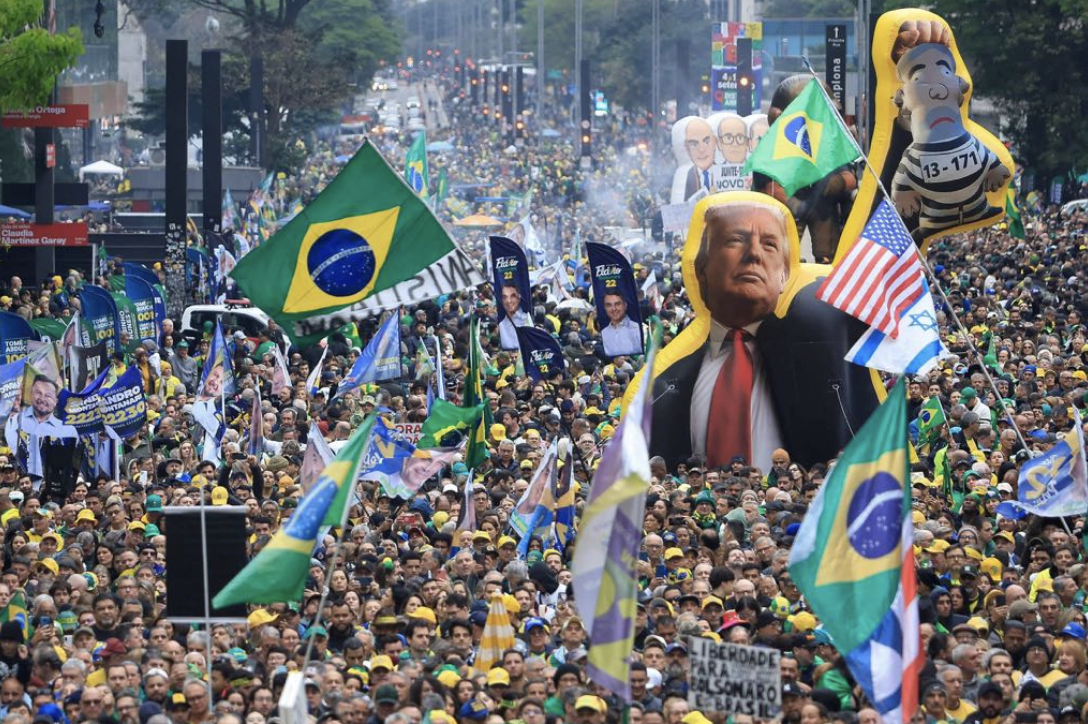
Half of the signatories serve on the House Foreign Affairs Committee. The letter questions the revocation of the Brazilian ambassador’s visa, the State Department’s actions during the electoral process, and possible contacts with members of the Bolsonaro family.
Brazil Office, October 7 — Twelve members of the United States Congress, six of whom serve on the House Foreign Affairs Committee, sent a letter to Secretary of State Marco Rubio demanding explanations regarding the revocation of the diplomatic visa of Brazil’s ambassador in Washington, Maria Luiza Ribeiro Viotti, as well as recent actions by the State Department concerning Brazil.
The letter was sent between the two rounds of Brazil’s presidential election, following the October 4 vote and ahead of the runoff scheduled for October 25. Brazil’s Superior Electoral Court confirmed that Flávio Bolsonaro and Luiz Inácio Lula da Silva will face each other in the second round of the group lends institutional weight to the congressional inquiry: six of the 12 signatories serve on the House Foreign Affairs Committee, which oversees foreign policy matters and the State Department. Among them is Gregory Meeks, the Committee’s Ranking Member. The letter also includes Sydney Kamlager-Dove, co-chair of the Congressional Brazil Caucus, and James McGovern, co-chair of the Tom Lantos Human Rights Commission.
At the outset, the members of Congress describe the episode as a “manufactured diplomatic dispute” by the State Department and characterize the visa revocation as an “extraordinary and unprecedented” measure. According to the signatories, the episode deepens the deterioration of relations with South America’s largest democracy and economy and carries implications that extend beyond the immediate diplomatic controversy.
From the Diplomatic Crisis to the Electoral Process
The letter places the visa revocation within a broader context of bilateral tensions, including the 50% tariffs imposed on Brazil, sanctions against Justice Alexandre de Moraes, and questions raised about the credibility of Brazil’s elections. It also mentions the appointment of Darren Beattie to work on Brazil-related issues at the State Department.
In one of its strongest passages, the lawmakers state that the visa revocation represents the “latest escalation in the Trump Administration’s sustained effort to influence the outcomes of Brazil’s 2026 elections.”
The letter also highlights the attempted travel to Brazil by Riley M. Barnes and Samuel Samson, State Department officials focused on democracy and human rights. According to information cited by the signatories, the trip would have involved inquiries into Brazil’s electoral system. After Brazil denied their visas, Washington revoked Ambassador Ribeiro Viotti’s diplomatic visa.
What the U.S. Members of Congress Want to Know
The 12 lawmakers submitted seven formal questions to the State Department. Among other issues, they seek to determine what facts justified the visa revocation, the purpose of the two officials’ planned trip to Brazil, and how much the measure was coordinated with the White House.
One question seeks to clarify whether Marco Rubio or other senior State Department officials authorized contacts with Jair Bolsonaro, Flávio Bolsonaro, Eduardo Bolsonaro, or their representatives in connection with the decision on the ambassador’s visa.
Regarding the electoral process, the lawmakers question why U.S. officials sought to scrutinize Brazil’s electoral system during a presidential campaign and ask directly:
“What specific evidence does the Department possess that Brazil’s electoral system may lack credibility?”
They also ask whether the Department considers the 2022 election to have been free and fair and whether it has any evidence suggesting that the 2026 election will not be. Finally, they seek to determine whether the Administration assessed the potential consequences for trade, regional security, counternarcotics cooperation, and the broader strategic relationship between Brazil and the United States.
Response Requested Before the Runoff
The letter requests written responses by October 20, five days before the presidential runoff. In its conclusion, the signatories argue that the strengthening of democracy and state should guide U.S. policy toward Brazil:
“Relations between the United States and Brazil should be grounded in respect for the democratic choices of the Brazilian people.”
The letter adds that the bilateral relationship should not depend on whether “the candidate favored by President Trump”prevails.
