
Cerrado Peoples Bring the Water Crisis and Human Rights Violations Before International Human Rights Mechanisms
Press release
July 29 2026
Within the framework of the Working Group of the Cerrado Internationalization Project, territorial knowledge, environmental data and human rights standards are brought together to strengthen the protection of waters, territories and communities
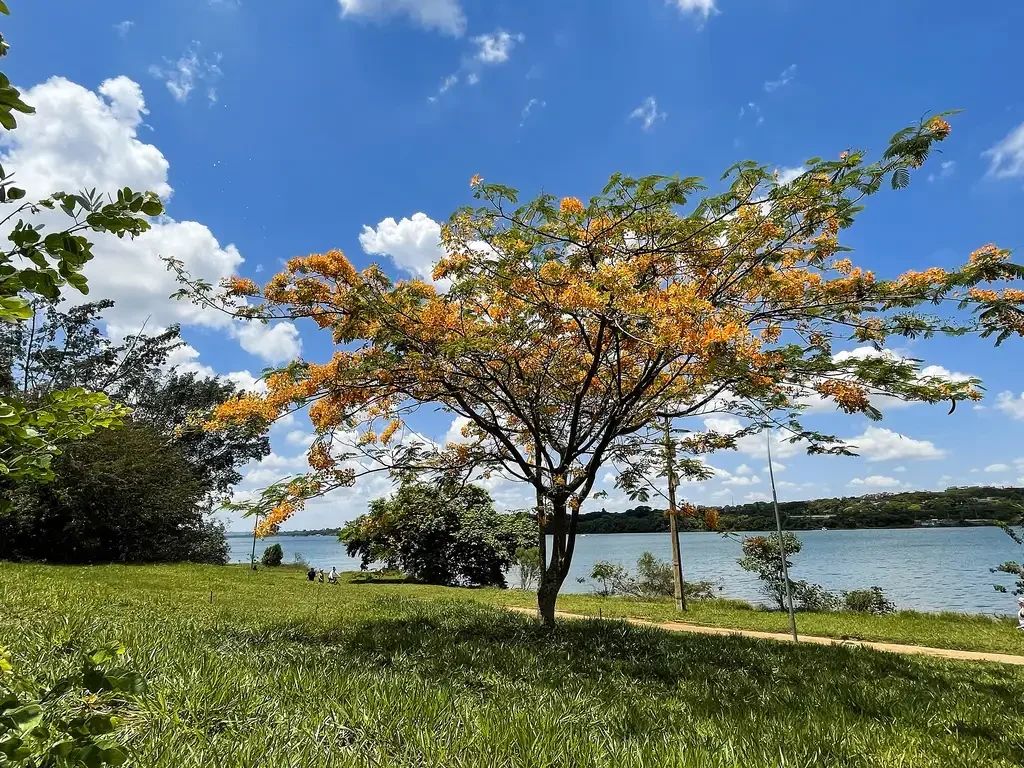
The Cerrado water crisis is reaching international human rights mechanisms through the voices of those who live in and protect the biome. Traditional Peoples and Communities (PCTs), including peoples and communities of African-rooted traditions, have been documenting violations involving territorial dispossession, declining and contaminated water sources, environmental racism, large-scale development projects, and threats against community leaders and human rights defenders.
This effort is part of the project Internationalizing the Defense and Preservation of the Brazilian Cerrado, implemented by the Vladimir Herzog Institute in partnership with the Brazil Washington Office (WBO). As part of an ongoing process of consultation, documentation, and reporting, the project prepared and submitted a second special report to the Office of the Special Rapporteur on Economic, Social, Cultural and Environmental Rights (REDESCA) of the Inter-American Commission on Human Rights (IACHR). The campaign “In the Cerrado, Water Is Life, Territory and a Right” builds on this process by bringing the relationship between the water crisis, territorial rights and human rights into the public debate.
The Cerrado biome supplies eight of Brazil’s 12 major hydrographic regions and plays an essential role in water circulation and climate regulation. Yet 91% of its river basins have experienced a loss of natural surface water over the past four decades, while the amount recorded in 2024 was 28.8% below the historical average.
This transformation cannot be attributed solely to declining rainfall. Deforestation, mining, intensive agribusiness, monoculture plantations, and large-scale infrastructure projects are advancing over springs, wetlands, aquifers and traditional territories. The central question, therefore, is what model of development is being imposed on the Cerrado, whose interests it serves, and what consequences it brings for its peoples, waters and territories.
The impacts affect Indigenous Peoples, Quilombola communities, veredeiros, geraizeiros, vazanteiros, the retireiras and retireiros of the Araguaia, babassu coconut breakers, traditional healers and herbalists, riverine communities, artisanal fishing communities, and peoples and communities of African-rooted traditions. Within these populations, women, girls, children, adolescents and older persons face heightened risks of food insecurity, illness, displacement and the breakdown of community care networks.
“We, Indigenous Peoples, Quilombola communities and other Traditional Peoples and Communities, are the first to feel the effects when a spring dries up, when a river’s flow declines, when a territory is threatened and when violence reaches our communities. No one knows this biome better than those who live in it and care for it every day,” says Vercilene Dias, a Quilombola woman from the Kalunga Territory, a lawyer with a master’s degree in agrarian law from the Federal University of Goiás, a recipient of a doctorate in law from the University of Brasília, and a researcher with the project.
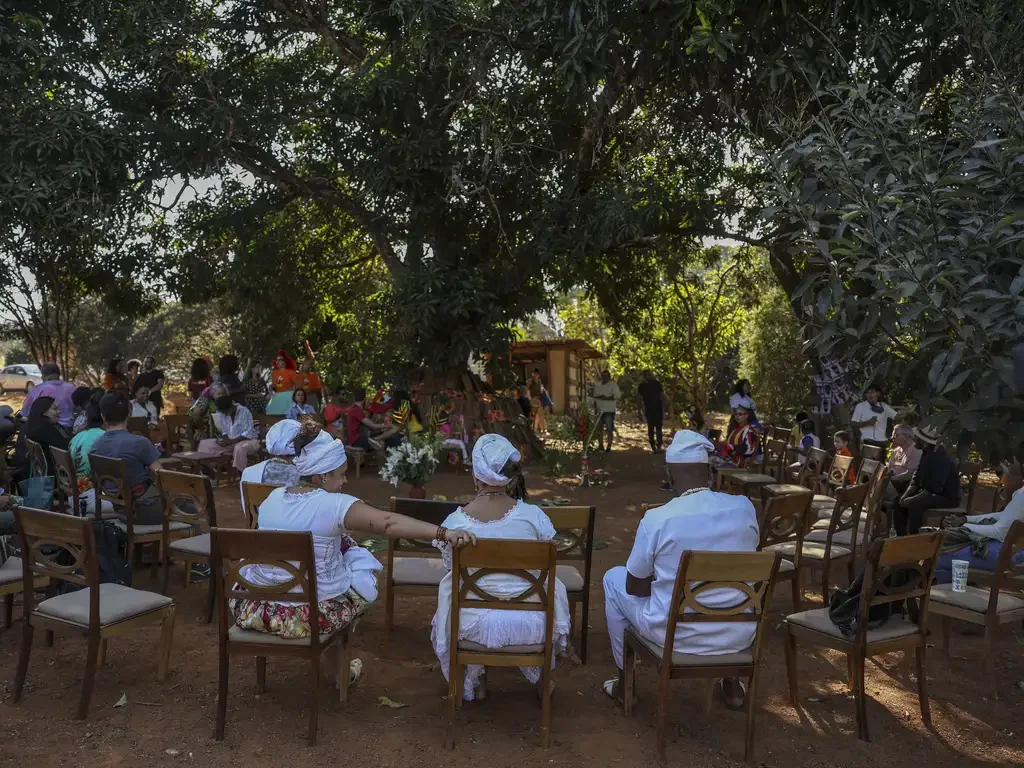
The reports and allegations are developed through an ongoing process of consultation, community organizing, and dialogue led by the project’s Working Group. Meetings, training activities, territorial gatherings, and initiatives such as Cerrado in the World, held in Uberlândia, enable communities themselves to identify priorities, share knowledge, organize information and define collective courses of action.
The situations documented include pressure from mining companies on Quilombola communities and groundwater recharge areas in the Serra do Curral; the loss of nearly the entire territory of a traditional community in Uberlândia; and threats posed by large-scale projects to the rivers and peoples of the Araguaia. The reports also address religious racism, the destruction of sacred plants, and violence against those defending their territories.
These experiences are examined alongside environmental data and assessed in light of human rights standards concerning water, a healthy environment, climate, territory, free, prior and informed consultation, cultural identity, freedom of religion or belief, and the protection of human rights defenders. The project engages with the IACHR and its rapporteurs while also bringing these concerns before United Nations human rights mechanisms.
For Vercilene, expanding the presence of these voices in international spaces is essential: “Bringing this reality before international human rights mechanisms is also a way of breaking through invisibility. Protecting the Cerrado necessarily requires recognizing and strengthening the rights of the Traditional Peoples and Communities who live there.”
The Inter-American Court of Human Rights’ recent guidance on the climate emergency reinforces the fact that environmental protection and the prevention of climate harm are obligations directly connected to the guarantee of human rights. In the Cerrado, this means recognizing that conserving native vegetation, securing access to water and protecting traditional territories are indispensable conditions for the dignified lives of present and future generations.

At the same time, the project strengthens the independent and autonomous organization of communities. Training on the Inter-American and United Nations human rights systems expands access to knowledge about reporting, protection and participation mechanisms, enabling community leaders and organizations to develop and pursue their own strategies. In this context, recognizing the traditional practices of Cerrado women and men herbalists as cultural heritage represents progress in valuing traditional knowledge, whose continuity depends on the protection of territories, species, waters, and the places where such knowledge is practiced and transmitted.
“We are part of the solution because, for generations, our knowledge and our ways of living in and caring for the territory have ensured the preservation of the Cerrado. But recognition of this knowledge must be accompanied by the effective protection of the territories, waters and rights of Traditional Peoples and Communities,” Dias concludes.
