
Meeting Strengthens International Advocacy for Cerrado (savannah) Peoples with Promotional Visit by the IACHR REDESCA Special Rapporteur
Press release
May 19 2026
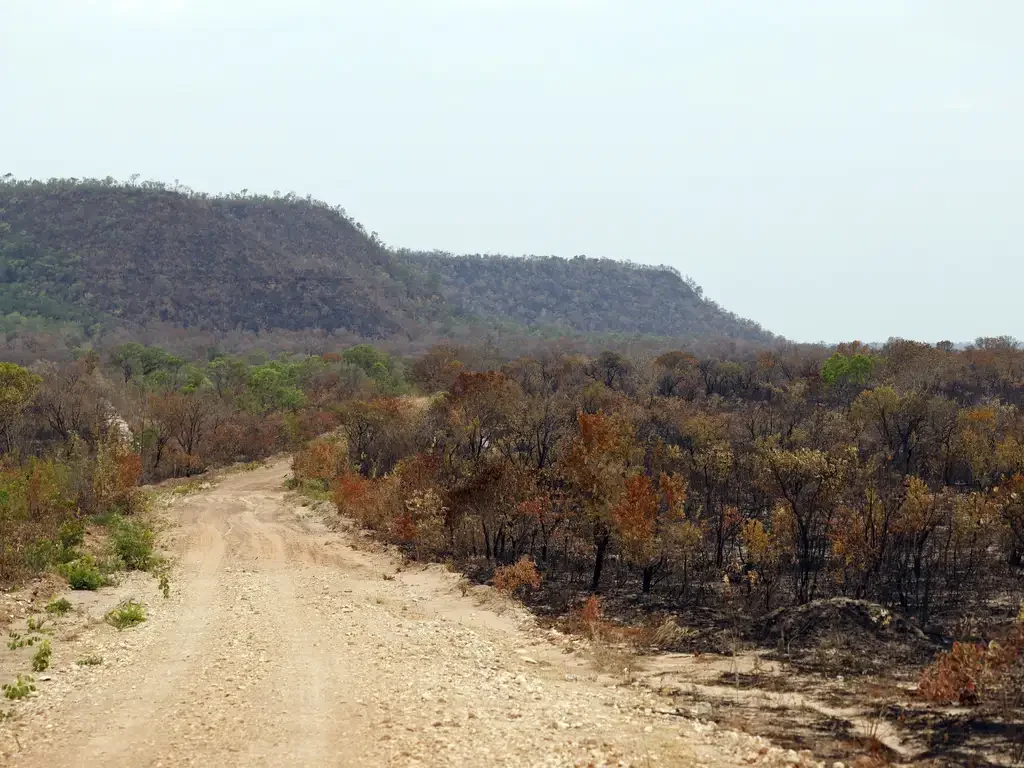
Around fifty leaders from traditional peoples and communities (TPCs) and Afro-descendant traditions, as well as representatives of national and international organizations, researchers, activists, and institutions, will participate in the meeting “Cerrado in the World: Territories, Rights, and Voices in Global Advocacy,” taking place from May 21 to 23 in Uberlândia (Minas Gerais, Brazil).
The event will feature the participation of Javier Palummo, Special Rapporteur on Economic, Social, Cultural and Environmental Rights (REDESCA) of the Inter-American Commission on Human Rights of the Organization of American States (IACHR/OAS), in an agenda aimed at strengthening dialogue between territories, human rights, and climate justice.
The initiative seeks to expand the presence of voices of the Cerrado, the Brazilian savannah, in international debates on environment, climate, and territorial rights, promoting dialogue between peoples and international human rights institutions within the framework of global socio-environmental justice agendas.
“Much is said about the Amazon in Europe and other countries, but little is said about the Brazilian savanna, the Cerrado. It is a biome that connects all other biomes. We say the Cerrado is Brazil’s water tank…,” said Carolina Martini, from AMEDI – Environment and Interactive Education.
The event is co-organized by the Brazil Office Alliance (ABO), the Cerrado Network, AMEDI – Environment and Interactive Education, and the Ministry of the Environment and Climate Change (MMA).
“Historically, international debates on biodiversity and climate take place without listening to those who actually protect those lands,” said Marília Gabriely Marcelino da Cunha, youth representative from the Indigenous territory of Buriti and member of the Terena Council of the Indigenous Climate Change Committee.
“The Cerrado is often treated by the State and the market as a ‘demographic void’ to be occupied by agribusiness, generating insecurity, violence, and environmental destruction. When Cerrado peoples take control of their own communication, they challenge narratives and strengthen their presence in decision-making spaces,” she added.
Babá Aurélio de Odé, authority and Afro-descendant leadership from the traditional community Ilê Odé Axé Opô Inle, highlighted the Cerrado as a sacred territory, a source of life, spirituality, culture, and resistance.
“The Cerrado is not just a biome; it is a sacred territory, a source of food, spirituality, culture, and survival. Even so, we are often invited only to occupy symbolic spaces, without real listening or participation in decision-making,” he said.
Maria de Jesus Alves, coordinator of the Interstate Movement of Babassu Coconut Breakers (MIQCB), drew attention to the impacts of land invasions and violence in the territories and on the lives of traditional women.
“They invade our territories and our communities. There are many situations of violence against women and against our ways of life. If our rights are not guaranteed, our existence remains under threat. Even so, we continue resisting,” she said.
Held at the Federal University of Uberlândia (UFU), the meeting will bring together authorities, Indigenous and Quilombola leaders, and representatives of national and international socio-environmental organizations.
For Danilo Ferreira Almeida Farias, Coordinator of Socio-Environmental Strategic Litigation at WWF-Brazil, international attention to the Cerrado is essential in the face of rising deforestation and pressure from agricultural commodities.
“This is a strategic territory for the fulfillment of Brazil’s environmental and climate obligations. Therefore, addressing this issue also means defending human rights that are systematically affected by the socio-environmental impacts of the expansion of these activities over traditional territories,” he said.
To conclude, Martini recalled that the guardians of the Cerrado are its traditional peoples and communities, the protagonists of this story
“With this event, we seek to strengthen these voices and support their leadership in guiding pathways for environmental conservation and the preservation of traditional knowledge, contributing to society’s enrichment through these knowledges and to overcoming barriers,” she said.
