
Time to Enact the Caatinga Law

By Sergio Leitão and Rafael Giovannelli*
This text was originally published in Correio Braziliense on June 9, 2026.
President Luiz Inácio Lula da Silva, who personally experienced the challenges of drought in the northeastern hinterland, has before him the opportunity to correct a historical omission and transform the recovery of the Caatinga, a semi-arid biome in northeastern Brazil,” into a permanent commitment of the State. The enactment of Bill 1990/2024, approved by the Brazilian Congress, will institute the National Policy for the Recovery of Caatinga Vegetation, creating the first Brazilian legal framework specifically aimed at the recovery of a biome.
The importance of this decision goes far beyond environmentalism. What is at stake is the construction of a national development strategy for the semi-arid region, based on water security, sustainable food production, job creation, adaptation to climate change, and combating desertification.
The Caatinga has never received attention proportional to its importance. For decades, it was treated as a landscape of scarcity, when in reality it constitutes the ecological infrastructure that sustains the lives of millions of people in the Northeast of Brazil. Reservoirs, rivers, production systems, and urban centers depend directly on the environmental services provided by this biome.
The degradation of native vegetation compromises water infiltration into the soil, reduces agricultural productivity, amplifies the effects of droughts, and increases the economic vulnerability of rural populations. Therefore, restoring the Caatinga is the most efficient way to strengthen the material conditions that allow for the development of the Northeast.
The new law is particularly relevant because it offers something that the Caatinga lacked: institutional stability. Government programs are important, but they can be reformulated, reduced, or even discontinued over time. A public policy enshrined in law creates permanent commitments for the Brazilian State, establishes clear objectives, guides the actions of different public bodies, and offers greater predictability for public and private investments.
The law also has the potential to strengthen the priority of Caatinga restoration in the competition for public resources. By establishing a specific national policy, Congress creates a more solid foundation for actions aimed at the recovery of the biome to be incorporated into government planning and receive continuous financial support over the years.
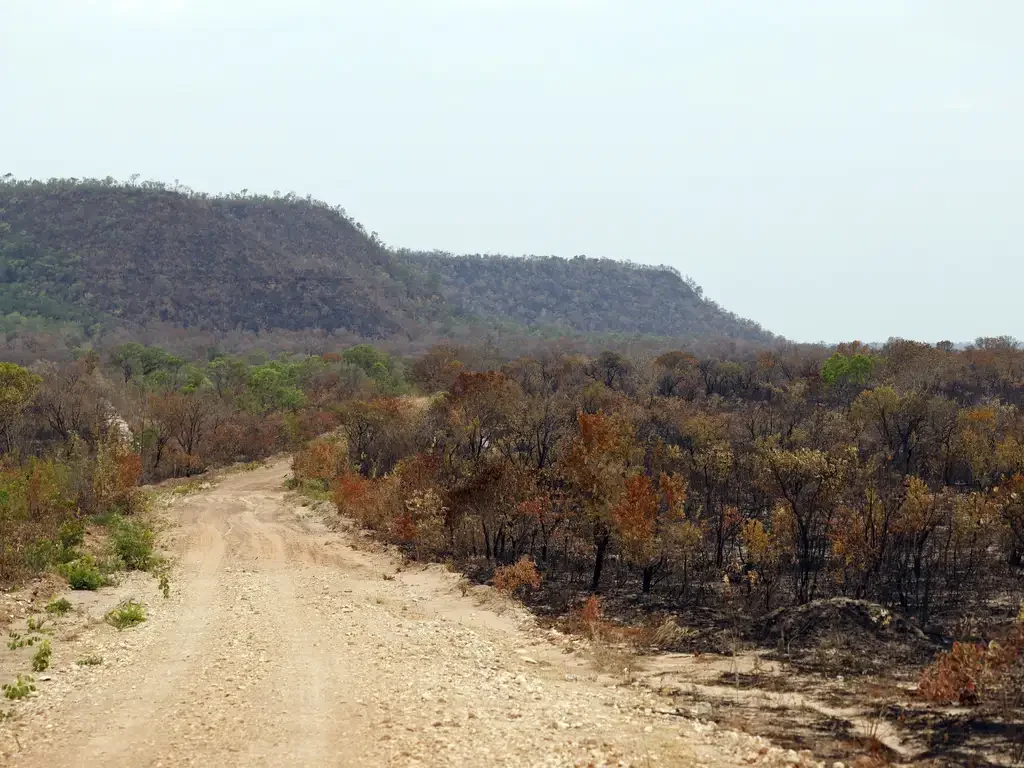
This stability is particularly important because vegetation recovery requires long-term investments. No restoration process happens in a single budget cycle or during a single presidential term. These are efforts that need to span governments and consolidate as a permanent commitment of the Republic.
Presidential approval will also allow for unity among a series of initiatives already underway. In recent years, measures such as the Eco Invest Brasil Program, the Sertão Vivo Program, the Floresta Viva — Caatinga Viva initiative, the Action Plan for the Prevention and Control of Deforestation and Burning in the Caatinga (PPCaatinga), the National Plan for the Recovery of Native Vegetation (Planaveg), and the Climate Plan have begun to direct resources and attention to the semi-arid region. The new law offers a common reference point to integrate these efforts and increase their effectiveness.
The potential results fully justify this decision. A study by the Escolhas Institute indicates that approximately 1 million hectares of degraded land in Northeast Brazil have the potential for recovery. Restoring these areas could generate approximately 465,000 jobs, produce more than 7 million tons of food, and generate nearly R$ 30 billion in net revenue. These are economic, social, and environmental benefits that extend beyond the directly restored areas.
The topic is also gaining increasing relevance on the international stage. In August of this year, Mongolia will host the Conference of the Parties to the United Nations Convention to Combat Desertification, of which Brazil is a signatory. Worldwide, governments are seeking solutions capable of simultaneously addressing land degradation, food insecurity, water scarcity, and climate change. The Brazilian semi-arid region has much to contribute to this debate.
By approving Bill 1990/2024, the National Congress recognized that the recovery of the Caatinga biome is a strategic issue for the country's future. Now, it is up to the President of the Republic to conclude this process.
There is a rare symbolic significance in this decision. The migrant from Pernambuco who left the semi-arid region to escape the limitations imposed by drought now has the opportunity to transform the recovery of the Caatinga into a national priority. In doing so, President Lula will inaugurate a new chapter in the history of the Northeast, in which drought and degradation cease to be seen as an inevitable fate, and the sustainable development of the region becomes a strategic objective of the country.
*Sergio Leitão is a lawyer, executive director of the Escolhas Institute, former advisor on indigenous and environmental issues at the Ministry of Justice, and executive director of the Socio-environmental Institute. Rafael Giovanelli is the Research Manager at the Escolhas Institute, and holds a doctorate and master's degree in Law and Development from FGV Direito SP.
